
When managing credit card debt, finding the best balance transfer credit cards can be a game changer. These cards offer introductory 0% APR periods, allowing you to transfer high-interest balances and pay them down interest-free for a set time. It’s crucial to consider the length of the 0% APR offer, any balance transfer fees, and the ongoing APR after the introductory period. Selecting the right card can significantly reduce your interest payments and help you achieve financial stability more quickly. Ensure that the card you choose aligns with your repayment strategy and overall financial goals. This article is compiled by LifeMySavings to provide you with expert guidance on choosing the best balance transfer credit cards.
Best Balance Transfer Credit Cards Today
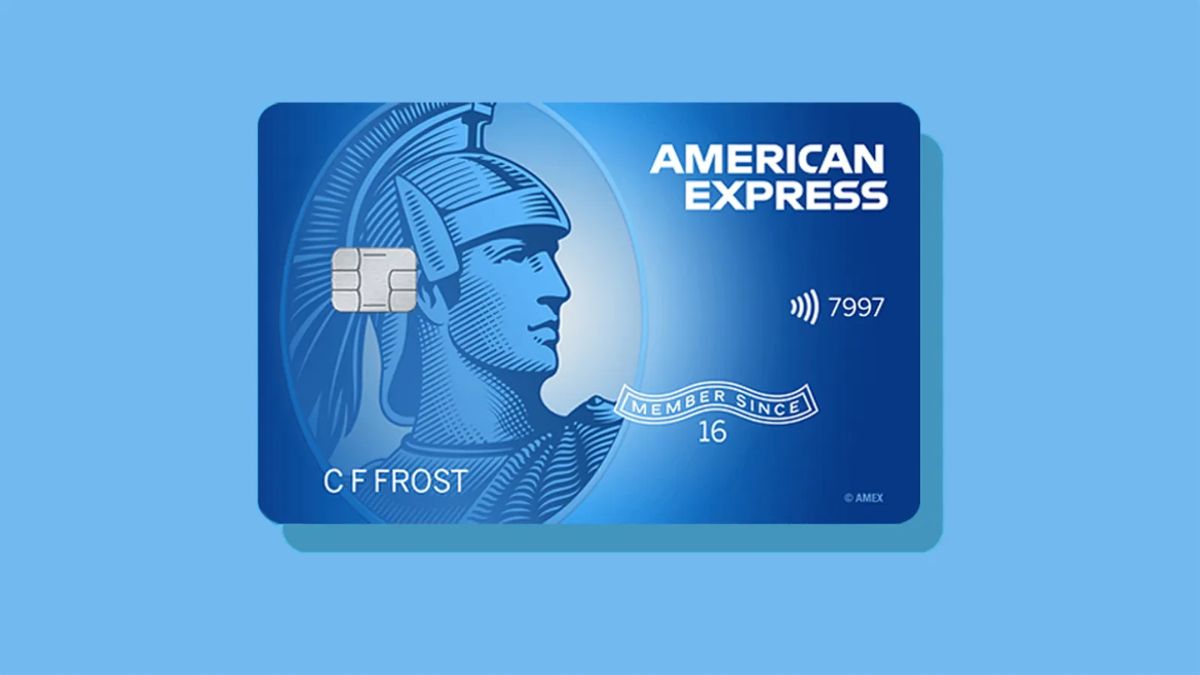
Blue Cash Everyday® Card from American Express
The Blue Cash Everyday® Card from American Express is a versatile option, offering not just a 0% introductory APR on balance transfers but also strong cash-back rewards on daily expenses like groceries and gas. This makes it an excellent choice for those who want to save on interest while earning rewards. The card is especially beneficial for users who plan to pay off their balance within the promotional period and continue using it for everyday purchases.
PenFed Gold Card
The PenFed Gold Card stands out for its simplicity and efficiency, providing a long 0% APR period for balance transfers without the distraction of complicated rewards programs. It’s ideal for those who prioritize paying off debt quickly and without accruing additional interest. With minimal fees and straightforward terms, this card is designed for users focused on financial optimization, making it one of the best balance transfer credit cards available.
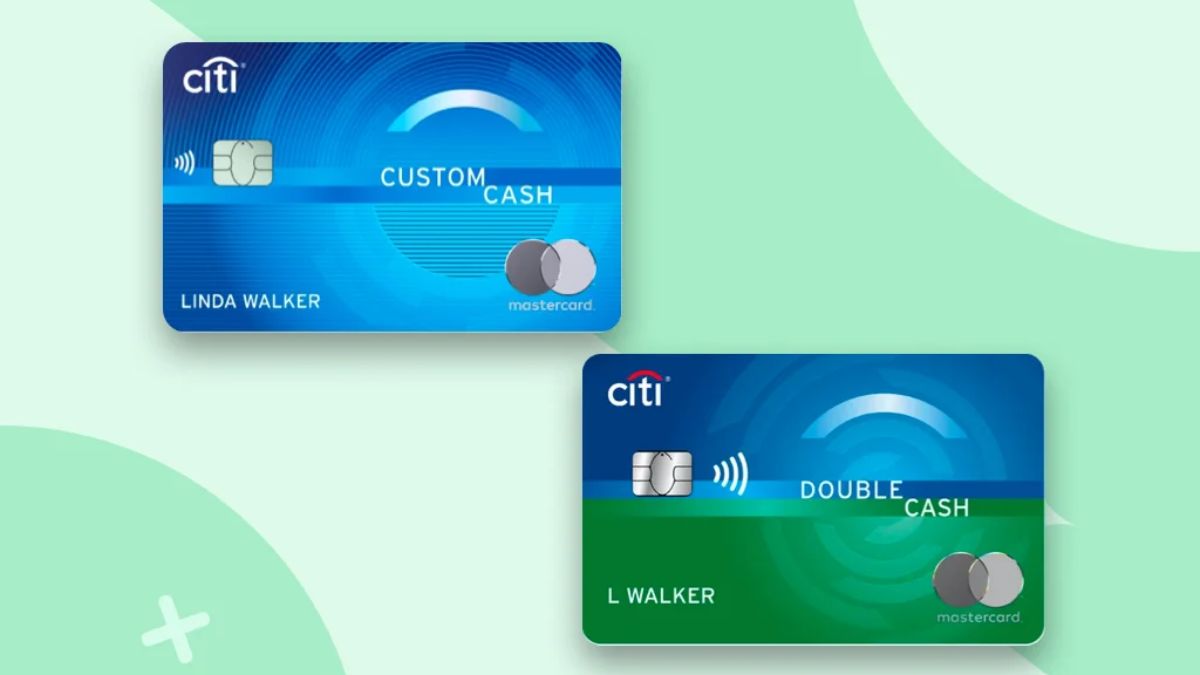
Citi Custom Cash℠ Card
The Citi Custom Cash℠ Card offers a unique value proposition by automatically adjusting its cash-back categories to match your spending patterns, making it a flexible choice for balance transfers. Along with a competitive 0% APR period, it adapts to your financial habits, ensuring you maximize rewards while managing debt efficiently. This card suits those who want both flexibility and financial savings.
>>>> Related Article: 12 Best 0% APR Credit Cards Of June 2024 | Interest Free
Chase Slate Edge℠
The Chase Slate Edge℠ card is tailored for those who want to save on interest while also working towards lowering their ongoing APR. With a strong 0% introductory APR period and opportunities to reduce your regular APR by making timely payments, this card supports long-term financial health. It’s a smart option for users aiming to improve their credit while managing debt.
U.S. Bank Visa® Platinum Card
For those seeking one of the longest 0% APR periods on the market, the U.S. Bank Visa® Platinum Card delivers. It’s perfect for users who need extended time to pay off large balances without worrying about interest. This card’s straightforward benefits and low fees make it a solid choice for debt consolidation and repayment strategies, making it one of the best balance transfer credit cards available.

Citi® Diamond Preferred® Card
The Citi® Diamond Preferred® Card is a top pick for those focused solely on paying off existing debt. It offers a lengthy 0% APR period for balance transfers, allowing ample time to manage and reduce debt without the burden of interest. Its simplicity and focus on balance transfers make it a practical choice for those looking to streamline their finances.
Discover it® Chrome
The Discover it® Chrome card not only provides a 0% introductory APR on balance transfers but also offers cash-back rewards on everyday purchases like dining and gas. This makes it a dual-purpose card, suitable for users who want to save on interest and earn rewards simultaneously. Its easy-to-understand rewards structure and strong customer service add to its appeal.
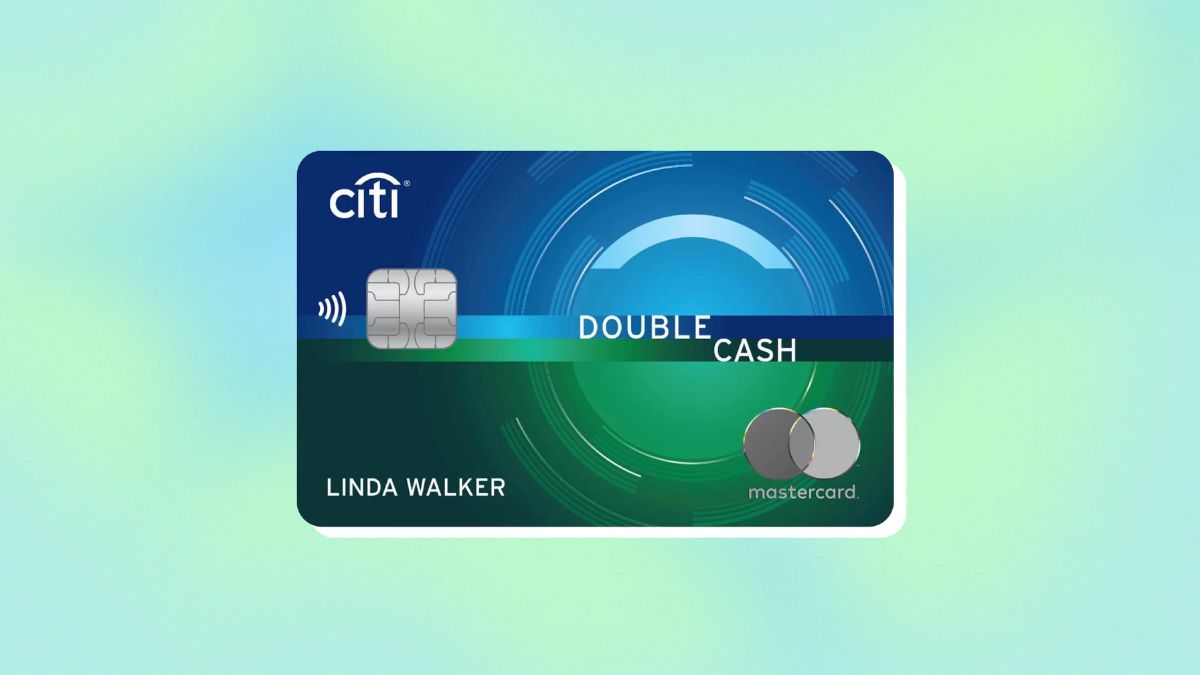
Citi Double Cash® Card
The Citi Double Cash® Card is unique in that it offers cash back twice: once when you make a purchase and again when you pay it off. Combined with a solid 0% APR for balance transfers, this card is ideal for those who want to pay off debt while earning cash back on new purchases. It’s a robust option for users who value both debt management and rewards, making it one of the best balance transfer credit cards available.
>>>> Read More: 10 Best First Credit Cards For Beginners In 2024
Wells Fargo Active Cash® Card
With the Wells Fargo Active Cash® Card, users enjoy unlimited 2% cash rewards on purchases, along with a 0% introductory APR on balance transfers. This card is excellent for those who want a straightforward, high-reward option that also helps manage debt. Its blend of rewards and a long 0% APR period makes it a top choice for savvy consumers.
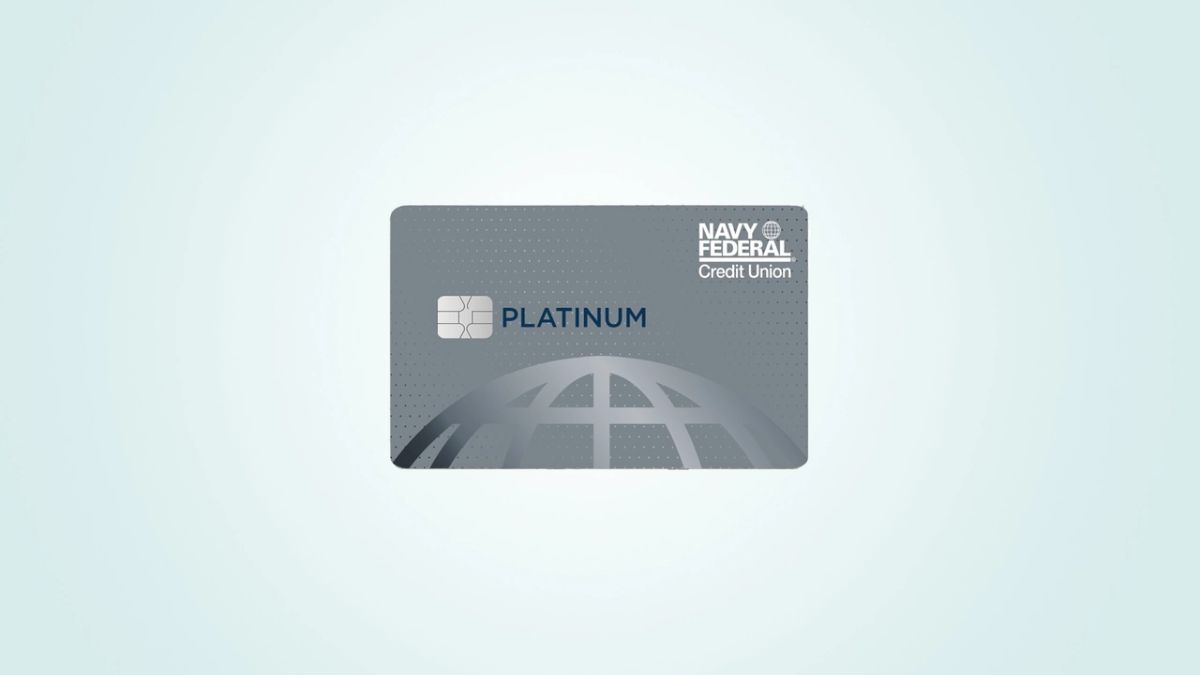
Navy Federal Credit Union® Platinum Credit Card
The Navy Federal Credit Union® Platinum Credit Card is ideal for those eligible for membership, offering a low ongoing APR and a 0% introductory APR on balance transfers. It’s particularly beneficial for users who may need more time to pay off their balances due to its low fees and favorable terms. This card is a strong contender for those within the credit union’s membership base seeking financial stability.
What Are the Best Balance Transfer Credit Cards?
When seeking the best balance transfer credit cards, it’s crucial to evaluate options based on your specific financial needs and goals. The top cards offer extended 0% APR periods for balance transfers, allowing you to pay off high-interest debt without additional financial strain. Some cards, like the Citi Double Cash® Card, not only help manage debt but also provide cash-back rewards, adding extra value to your everyday spending.
Others, such as the U.S. Bank Visa® Platinum Card, focus on offering one of the longest 0% APR periods, making them ideal for those with larger balances to pay off over time. Each card on this list has been carefully selected to ensure it meets the needs of users looking to optimize their finances and reduce interest payments, making them some of the best balance transfer credit cards available today.
How Does a Best Credit Card for Balance Transfer Work?
Timeline
When you initiate a balance transfer, the timeline for the transfer to complete can vary depending on the issuer. Typically, it takes between 7 to 21 days for the transfer to process. During this period, it’s essential to continue making payments on your existing card to avoid late fees or penalties. Once the transfer is complete, your new card issuer will inform you, and the transferred balance will start benefiting from the 0% APR period, if applicable.
Eligibility
Eligibility for the best balance transfer credit cards depends largely on your credit score and credit history. Most issuers require a good to excellent credit score to qualify for these cards. Additionally, some issuers may not allow you to transfer balances between cards from the same bank. Always check the specific requirements of the card you’re interested in before applying to ensure you meet the criteria.

Restrictions on Balance Transfers
There are often restrictions on how much you can transfer to a new credit card. These restrictions usually depend on your credit limit on the new card, which may be lower than the limit on your old card. Additionally, some cards do not allow transfers from accounts held with the same issuer. It’s crucial to understand these restrictions to avoid any surprises during the transfer process.
Balance Transfer Fee
Most best balance transfer credit cards charge a balance transfer fee, which is typically 3% to 5% of the amount being transferred. This fee is added to your transferred balance and will be part of the total amount you need to pay off. While this fee can add to your debt, the savings from the 0% APR period often outweigh the cost of the fee, especially if you’re transferring a large balance from a high-interest card. Always calculate whether the transfer fee is worth the potential interest savings.
Pros and Cons of Best Balance Transfer Credit Cards
Using the best balance transfer credit cards can be a strategic way to manage debt, but it’s important to weigh the pros and cons before making a decision. On the plus side, these cards offer 0% APR for an extended period, allowing you to pay off debt without accruing additional interest. This can save you a significant amount of money, especially if you’re carrying a large balance on a high-interest card. Additionally, balance transfer cards can simplify your finances by consolidating multiple debts into one monthly payment.
However, there are also downsides to consider. Most balance transfer credit cards charge a balance transfer fee, typically ranging from 3% to 5% of the transferred amount. This fee can add to your overall debt load. Furthermore, the 0% APR is temporary, and once it expires, any remaining balance will start accruing interest at the card’s regular rate, which can be high. Finally, to qualify for the best offers, you’ll need a good to excellent credit score.
Ways to Make a Balance Transfer Using a Credit Card
Making a balance transfer with a credit card is a straightforward process, but it requires careful planning to maximize the benefits. First, choose one of the best balance transfer credit cards that offers a 0% APR period long enough for you to pay off your debt. Next, apply for the card and, upon approval, request the balance transfer. You’ll need to provide the account information for the debt you want to transfer.
The issuer will handle the transfer, which typically takes 7 to 21 days to complete. During this period, continue making payments on your original card to avoid late fees. Once the transfer is complete, focus on paying off the balance within the 0% APR period to avoid interest charges.
How Much Money Can Be Saved with Transfer Credit Cards
The amount you can save with the best balance transfer credit cards depends on several factors, including the interest rate on your current card, the balance you’re transferring, and the length of the 0% APR period on the new card. For example, if you’re transferring a $5,000 balance from a card with a 20% APR to one with a 0% APR for 18 months, you could save approximately $1,500 in interest over that period. Even after accounting for a 3% balance transfer fee ($150), your net savings would be around $1,350. The key to maximizing savings is to pay off the transferred balance before the 0% APR period ends, as any remaining debt will start accruing interest at the card’s standard rate.
How to Maximize Your Savings with a 0% Balance Transfer Card
To make the most of the best balance transfer credit cards, it’s essential to have a solid repayment plan in place. Start by transferring high-interest balances to a card offering a 0% APR period. This allows you to pay down the principal without accruing additional interest. Set up a payment schedule that ensures you pay off the balance before the promotional period ends.
Avoid making new purchases on the card, as they may not be covered by the 0% APR and could increase your debt. Regularly monitor your progress and adjust your budget if necessary to stay on track. By focusing on paying off the transferred balance within the 0% APR period, you can maximize your savings and move closer to financial stability.
How Much Debt Can Be Transferred with a Balance Transfer Credit Card?
The amount of debt you can transfer with the best balance transfer credit cards depends on your new card’s credit limit. Generally, you can transfer up to your available credit limit, but keep in mind that the balance transfer fee (typically 3% to 5%) will also count toward this limit. For example, if your new card has a $10,000 limit and you transfer $9,000, a 3% fee would add $270 to your balance, leaving you with $730 in available credit. It’s crucial to understand these limits and fees to avoid exceeding your credit limit, which could result in penalties or a lower credit score.
How to Get the Most Out of Your Balance Transfer Credit Card
To fully benefit from the best balance transfer credit cards, it’s important to use them wisely. First, ensure you understand all the terms, including the duration of the 0% APR period and any balance transfer fees. Prioritize paying off the transferred balance within this period to avoid accruing interest. Also, avoid using the card for new purchases, as they might not be covered by the promotional APR. Keep your credit utilization low by not maxing out the card and making timely payments. This will help improve your credit score, providing long-term financial benefits even after the balance transfer is complete.
Other Alternatives
Personal Loan
If the best balance transfer credit cards don’t fit your needs, a personal loan could be a viable alternative. Personal loans often offer fixed interest rates and consistent monthly payments, making it easier to manage and pay off debt. Unlike credit cards, personal loans provide a lump sum upfront, which can be used to pay off multiple high-interest balances at once. This option may be particularly appealing if you have a large amount of debt and need a longer repayment period.
Use a Debt Repayment Calculator
A debt repayment calculator is a powerful tool to help you understand how long it will take to pay off your debt using the best balance transfer credit cards or other methods. By inputting your balance, interest rate, and monthly payment amount, you can see how different payment strategies impact the time it will take to become debt-free. This tool can also help you compare the costs and benefits of balance transfers versus other options like personal loans.
Pay More Than the Minimum
To get the most out of your best balance transfer credit cards, it’s crucial to pay more than the minimum monthly payment. While the 0% APR period allows you to avoid interest, paying only the minimum might leave you with a significant balance when the promotional period ends. By paying more each month, you can reduce your debt faster, avoid future interest charges, and improve your overall financial health.
Consider Qualifying for a Lower Rate
If you’re not satisfied with the rates offered by the best balance transfer credit cards, consider ways to qualify for a lower interest rate. Improving your credit score by paying down existing debt, making payments on time, and reducing your credit utilization can help you qualify for better rates. Additionally, shopping around and comparing offers from different lenders can lead to more favorable terms, helping you manage and pay off your debt more effectively.
It’s important to choose the best balance transfer credit cards to effectively manage and reduce debt. These cards offer a 0% APR period, which allows you to pay off balances without accumulating additional interest. When selecting a card, consider factors such as the length of the 0% APR period, associated fees, and your ability to pay off the debt within the promotional period. It’s also important to use these cards responsibly by avoiding new purchases and paying more than the minimum amount due. With careful planning and disciplined use, these cards can help you take control of your finances. This article is brought to you by LifeMySavings to provide expert guidance on choosing the best balance transfer credit cards.
>>>> Learn more:
- 15 Best Cash Back Credit Cards In Us 2024 | Apply Now
- Best Business Credit Cards | 9 Great Options For Business 2024

William James is a personal finance and insurance writer who focuses on auto insurance, car ownership costs, and consumer-friendly coverage guides. He specializes in breaking down complex insurance topics—such as policy requirements, claims, high-risk driver coverage, and premium pricing—into clear, practical advice for everyday drivers. His work is designed to help readers compare options, understand state-specific rules, and make more confident financial decisions. At Life My Savings, William writes research-backed content aimed at making insurance and money topics easier to understand.