
Have you ever wondered why some people effortlessly maximize rewards while others struggle with debt? It all starts with choosing the right card. However, with so many credit cards with so many different features, how do you choose the card for your personal financial needs? In this article, LifeMySavings will help you learn about the 17 best credit cards of 2026, and provide detailed instructions on how to choose and apply effectively.
Best Credit Card Offers of 2026
Best Credit Cards for Cash Back
If you’re looking to maximize your everyday purchases, cash-back credit cards are among the most effective tools. These cards offer substantial rewards on categories like groceries, gas, and dining, which are everyday expenses for most people. For instance, the Discover it® Cash Back card stands out by giving cardholders a dollar-for-dollar match on all the cash back earned at the end of the first year. This unique feature makes it a top contender for those looking to save on routine expenses without much effort.
In addition to the match feature, cash-back cards often provide tiered rewards, meaning you can earn a higher percentage back in specific spending categories. For example, you might earn 5% cash back on rotating categories like groceries or gas and 1% on all other purchases. This structure is ideal for individuals who want to maximize their savings on everyday purchases. Before choosing a cash-back card, it’s essential to consider your spending habits to ensure the card’s rewards align with where you spend the most.
Students Credit Cards
The Bank of America® Travel Rewards Credit Card for Students is a prime example of this, offering 25,000 online bonus points after spending $1,000 in purchases within the first 90 days.

Student credit cards often come with additional perks tailored to young adults, such as no annual fees and tools to help manage finances responsibly. For example, some cards offer cash back or provide free access to credit scores, helping students keep track of their credit health. These features make student credit cards not only a financial tool but also an educational resource, helping young adults learn to manage credit responsibly from the start.
Low-Interest Credit Cards
For those who carry a balance on their credit card each month, a low-interest credit card can be a great financial solution. For example, the Discover it® Miles card offers a 0% introductory interest rate, making it an attractive option to reduce interest costs while still earning rewards. This allows cardholders to carry a balance without paying interest during the promotional period, which is especially helpful when making large purchases or incurring unexpected expenses.
After the promotional period ends, low-interest credit cards typically have a lower interest rate (APR) than regular credit cards, helping to reduce the overall cost of borrowing. This makes them ideal for those who occasionally need to carry a balance but want to avoid the high interest costs of regular credit cards. Therefore, it is important to compare interest rates after the promotional period ends to ensure that the card you choose still has long-term benefits.
Best Rewards Credit Card
When it comes to flexible rewards, the Capital One Venture Rewards Credit Card is a standout. This card awards you 75,000 bonus miles after spending $4,000 in the first three months. It’s great for frequent travelers, as the miles can be redeemed for a variety of expenses, including airfare, hotels, and car rentals.
Plus, the Capital One Venture Rewards Credit Card offers 2 bonus miles for every dollar you spend, meaning you can earn miles quickly without worrying about spending categories.
>>>> In addition to the Capital One Venture Rewards Credit Card, there are many other best rewards credit cards available with great service and rewards offers.
Best Credit Cards for Gas and Groceries
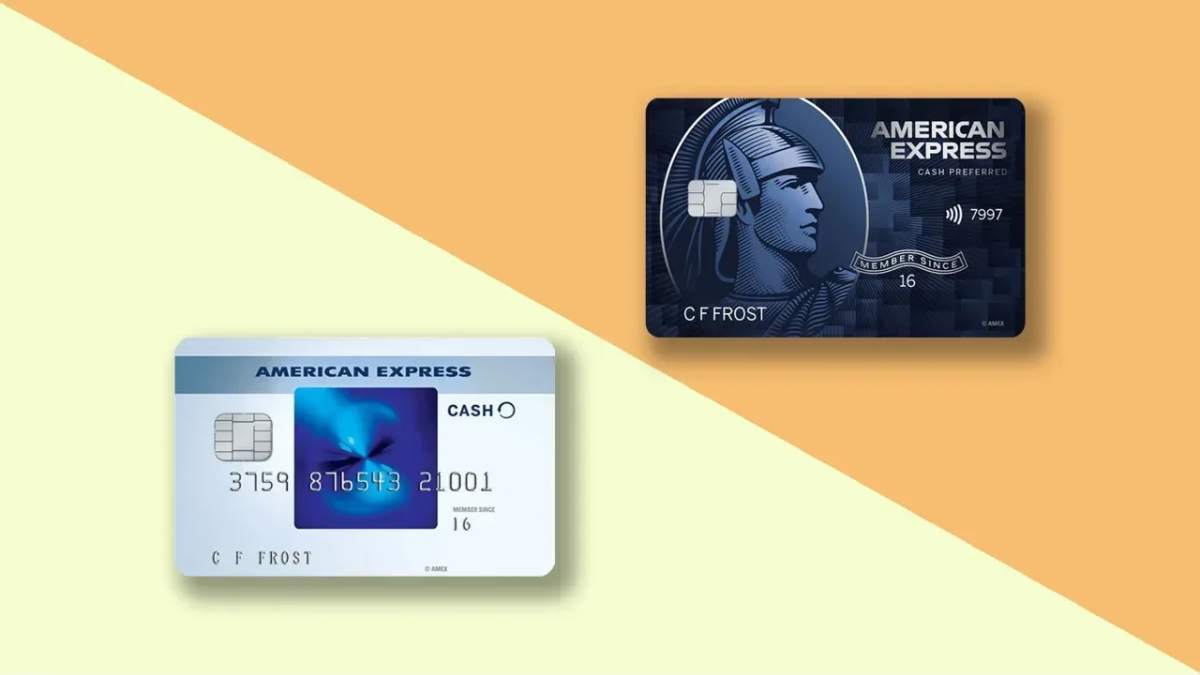
The Blue Cash Preferred® Card from American Express is a great choice for those who frequently spend on gas and groceries. It offers up to 6% cash back at U.S. supermarkets (up to $6,000 per year).
In addition to these benefits, the card also offers 3% cash back on travel-related spending (like taxis, carpooling, parking, tolls, trains, and buses) and 1% cash back on other spending. However, it’s worth noting that the card has an annual fee, so weigh the rewards against the cost to see if the card fits your spending habits.
Building Credit Cards
For those looking to build or rebuild their credit, secured credit cards are often the best option. The Discover it® Secured card allows individuals with poor or no credit to start building a positive credit history. By requiring a security deposit, which acts as your credit limit, this card minimizes risk for the issuer while allowing you to demonstrate responsible credit use. Over time, with consistent payments and responsible usage, you can potentially graduate to an unsecured card and get your deposit back.
In addition to helping build credit, the Discover it® Secured card also offers cash-back rewards—a rarity among secured cards. Cardholders can earn 2% cash back at gas stations and restaurants (on up to $1,000 in combined purchases each quarter) and 1% on all other purchases. This feature adds value beyond just credit building, making it a versatile option for those in the early stages of their credit journey. Plus, Discover matches all the cash back you’ve earned at the end of your first year, providing an additional incentive to use the card regularly and responsibly.
Best Credit Cards for Travel
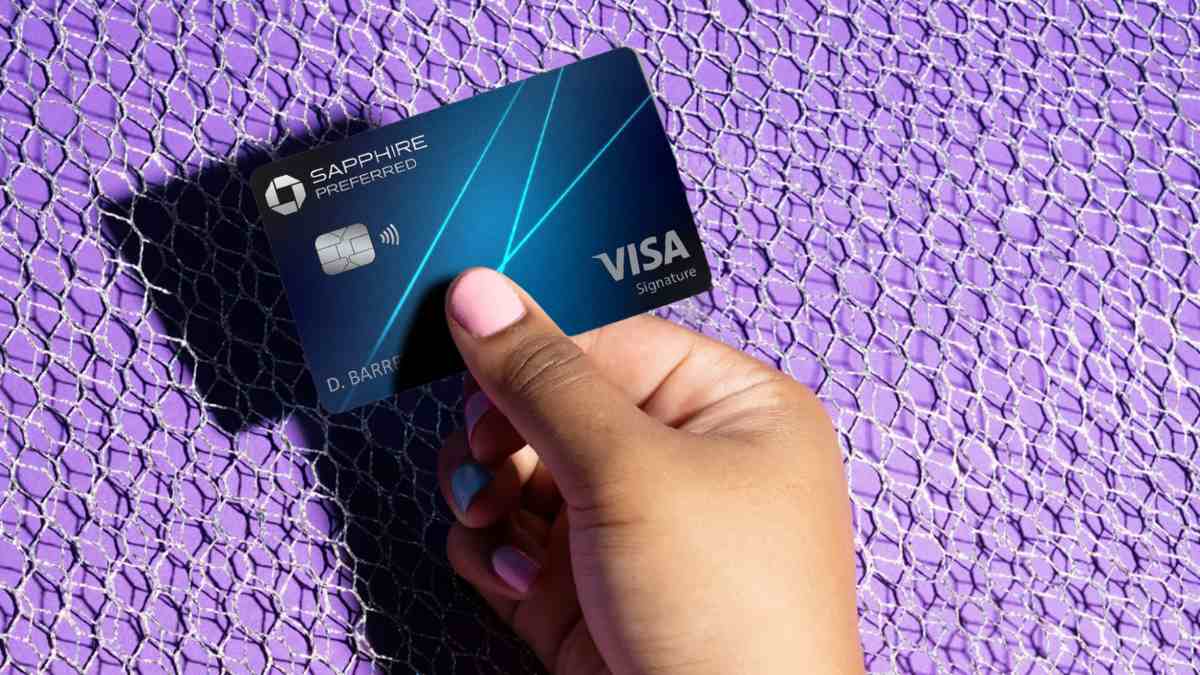
Frequent travelers will find the Chase Sapphire Preferred® Card a great option. It has a great rewards program. You’ll earn 3 points per dollar on dining and 2 points per dollar on travel. Points can be redeemed with many airline and hotel partners.
Additionally, the Chase Sapphire Preferred® Card offers a variety of travel-related benefits, such as trip cancellation insurance, baggage delay insurance, and rental car insurance. There is an annual fee, but for frequent travelers, the rewards and benefits may well outweigh the cost.
>>>> Learn More: Best Full Coverage Car Insurance for Seniors in 2026
Fair Credit Cards
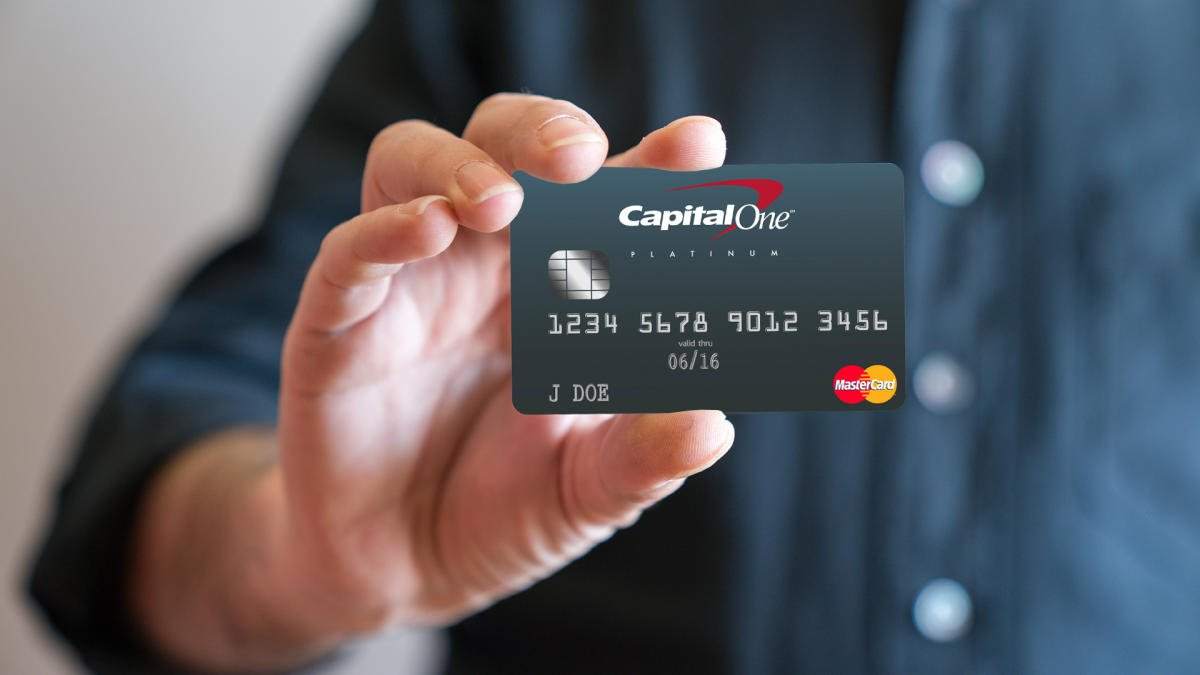
Finding a credit card that offers reasonable rewards and benefits without high fees can be difficult. The Capital One Platinum credit card is a solid option in this case, as it doesn’t have an annual fee. If you use the card regularly, you may even be considered for a credit limit increase after making your first five months of on-time payments.
The Capital One Platinum is a basic credit card, but it offers useful features like free access to your credit score and the ability to set up custom alerts to monitor your account.
Best Credit Card Business
The American Express Business Platinum Card® offers 150,000 Membership Rewards points after spending $20,000 on eligible purchases within the first three months. This card is designed for businesses, offering rewards and benefits that meet the needs of entrepreneurs and business owners. From office supplies to travel, the card lets you earn points on every purchase, which can be redeemed for travel, business expenses, or even employee rewards.
In addition to rewards, the Business Platinum Card® offers a suite of tools to help manage business finances, including expense tracking and employee card management.
Fuel Credit Cards
The Citi Custom Cash℠ Card offers a tailored solution with 5% cash back on your highest spending category each billing cycle, including gas stations. This makes it a great choice for frequent drivers or commuters.
Additionally, the Citi Custom Cash℠ Card offers 1% cash back on all other purchases. There is no annual fee.
Best Credit Cards for Good Credit
When you have good credit, the best credit cards can offer a wealth of benefits, from high reward rates to valuable perks and low interest rates. Cards like the Chase Sapphire Preferred® stand out by offering 3 points per dollar on dining and 2 points on travel purchases. With a strong credit score, you can access premium cards that offer substantial sign-up bonuses, like 60,000 points after spending $4,000 in the first three months. These cards often come with additional perks such as travel insurance, extended warranties, and access to exclusive events.
>>>> Learn More: Top 14 The Best Travel Insurance Companies | Compare & How To Buy
>>>> Read More: 15 Best Cash Back Credit Cards In Us| Apply Now
Useful Information About Credit Cards for Beginners
How Credit Cards Work
Understanding how credit cards work is essential for anyone starting on their credit journey. Credit cards allow you to borrow money from a bank to make purchases, which you then pay back, usually with interest if you don’t pay the balance in full by the due date. When you swipe your card, the transaction goes through several steps: the merchant’s bank asks the credit card network for authorization, which then contacts your card issuer.
Once approved, the transaction reduces your available credit by the amount of the purchase, which is shown on your next statement. If you pay the full amount by the due date, you avoid interest charges.
How Credit Card Rewards Work & Track Your Rewards
Credit card rewards can turn your everyday spending into tangible benefits, but understanding how they work is key to maximizing them. Rewards come in various forms, such as cashback, points, or miles, which you earn by using your card for purchases.
For example, some cards offer a flat rate on all purchases, while others provide higher rewards for specific categories like dining or travel. Keeping track of your rewards is essential to ensure you’re making the most of them. Many credit cards offer online tools or apps to help you monitor your earnings and redemption options. By strategically using your card in categories where you earn the most, you can accumulate rewards faster and redeem them for travel, statement credits, or even gift cards.
How Credit Card Interest Rates Work
Credit card interest rates, or APRs, are a crucial factor to consider when using a credit card. The Annual Percentage Rate (APR) is the cost of borrowing on your credit card, expressed as a yearly rate. If you carry a balance from month to month, interest will accrue on the outstanding amount, making it important to understand how your card’s APR affects your debt. Some cards offer a 0% introductory APR on purchases or balance transfers, which can be a valuable feature if you plan to make a large purchase or consolidate debt.
However, once the introductory period ends, the standard APR applies, which can vary based on your creditworthiness. To minimize interest charges, it’s wise to pay off your balance in full each month, keeping your borrowing costs to a minimum.
How Do Credit Card Points Work & How to Improve
Credit card points are a versatile type of reward that can be redeemed for travel, merchandise, gift cards, or statement credits. How points work varies by the card issuer, but typically, you’ll earn a certain number of points per dollar spent.
For example, a card might offer 3 points per dollar on travel purchases and 1 point per dollar on all other purchases. Accumulating points requires strategic spending, focusing on categories where your card offers the highest rewards. To improve your points-earning potential, consider combining cards that offer complementary reward structures. For instance, one card might offer high points on groceries, while another excels at travel rewards. By using each card where it earns the most, you can maximize your points and enjoy more significant benefits.
Classification of Best Credit Cards Currently
Low-Interest & 0% Credit Cards
For those who need to carry a balance or are looking to make a big purchase, low-interest and 0% APR credit cards are invaluable. Cards like the Citi® Diamond Preferred® Card offer a lengthy 0% introductory APR on purchases and balance transfers, making it one of the best credit cards for managing debt or financing large expenses without immediate interest. After the trial period, the ongoing APR is competitive, helping you save money over time. These cards are ideal for consumers who want to minimize the cost of borrowing while still enjoying the convenience of credit.
Small Business Credit Cards
Small business credit cards offer tailored benefits to meet the needs of entrepreneurs and business owners. The Ink Business Preferred® Credit Card by Chase is a standout in this category, offering 3 points per dollar on the first $150,000 spent on travel, shipping, internet, cable, and phone services. This makes it one of the best credit cards for businesses looking to maximize rewards on essential expenses. Additionally, the card provides purchase protection and extended warranties, which are crucial for safeguarding business investments. For those who travel frequently for work, the card’s rewards can be redeemed for travel through the Chase Ultimate Rewards program, offering flexibility and value.
Balance Transfer Credit Cards
Balance transfer credit cards are designed for those looking to pay down existing debt by transferring high-interest balances to a card with a lower rate. The Discover it® Balance Transfer card offers 18 months of 0% APR on balance transfers, with no annual fee, making it one of the best credit cards for reducing debt without accumulating more interest. After the introductory period, the ongoing APR remains competitive. Additionally, the card offers cash-back rewards on everyday purchases, providing an extra incentive to use the card wisely.

Rewards Credit Cards
Rewards credit cards are perfect for those who want to earn something back for their spending. The Chase Sapphire Preferred® Card is often highlighted as one of the best credit cards in this category, offering 3 points per dollar on dining and 2 points on travel. These points can be redeemed for travel, gift cards, or even cash back, making this card a versatile choice for those who want to get the most out of their spending. Additionally, the card offers a generous sign-up bonus, which can be a great way to start accumulating rewards quickly.
College Student Credit Cards
For students, building credit early while enjoying rewards can set the foundation for a strong financial future. The Discover it® Student Cash Back card is tailored for young adults, offering 5% cash back on rotating categories and a dollar-for-dollar match of all cash back earned at the end of the first year. It’s one of the best credit cards for students because it has no annual fee and provides free access to FICO credit scores, helping students keep track of their credit health. This card is an excellent entry point into the world of credit, providing valuable rewards and educational tools.
Credit Cards for Building Credit
Credit cards designed for building credit are crucial for those looking to establish or repair their credit history. The Discover it® Secured card is often considered one of the best credit cards in this category, requiring a refundable security deposit that sets your credit limit. This card helps build credit by reporting to all three major credit bureaus. Additionally, it offers 2% cash back at gas stations and restaurants and 1% on all other purchases, making it a valuable tool not just for building credit but also for earning rewards.
Criteria for Choosing the Best Credit Card in 2026
- Other Fees: Be aware of additional fees such as foreign transaction fees, late payment fees, and balance transfer fees. The best credit cards will offer low or no fees, but it’s essential to read the fine print to avoid unexpected costs that can add up over time.
- Perks: Perks such as travel insurance, purchase protection, and extended warranties add significant value to a credit card. Cards like the Chase Sapphire Reserve® offer premium perks, making them a top choice for frequent travelers.
- Introductory Interest Rate: Introductory interest rates can provide significant savings, especially if you’re planning a large purchase or balance transfer. Look for cards offering 0% APR for a set period, which can help you pay off debt or finance a purchase without interest during the introductory phase.
- Rewards: Rewards are a primary reason many consumers choose one card over another. Evaluate how quickly rewards accumulate and how easily they can be redeemed.
- Sign-Up Bonus: Sign-up bonuses can provide a substantial initial benefit, especially if you meet the spending requirements. For example, the Capital One Venture Rewards Credit Card offers a large bonus after meeting a specific spend in the first few months.
- Annual Fee: Consider whether a card’s annual fee is justified by the rewards and benefits it offers. Some of the best credit cards, like the Chase Sapphire Preferred® Card, charge an annual fee but offer enough rewards and perks to offset the cost.
- Credit-Building Help: If you’re building or rebuilding credit, look for cards that report to all three major credit bureaus. The Discover it® Secured card, for example, helps build credit while offering cash-back rewards.
How to Register the Best Credit Cards
Registering for the best credit cards begins with understanding your credit score, as it directly impacts your approval odds. Start by checking your credit score through a free service or your bank, then identify cards that match your credit profile. Next, compare offers based on rewards, interest rates, and fees to find the card that aligns with your financial goals. Most issuers allow you to apply online, requiring basic personal and financial information.
Once you submit your application, you may receive an instant decision, or it could take a few days. If approved, your card will arrive by mail, ready for activation. The process is straightforward, but the key lies in choosing a card that not only meets your needs but also offers benefits that make it worthwhile. The best credit cards can provide significant rewards, but only if you select one that fits your lifestyle and financial habits.
Instructions on How to Get the Most Out of Your Credit Card
Maximizing the benefits of your credit card involves more than just using it for purchases. First, familiarize yourself with your card’s rewards structure. Whether it’s cash back, points, or miles, understanding how to earn the most rewards on everyday spending can make a significant difference. Use your card strategically in categories where it earns the highest rewards, such as groceries, dining, or travel.
Also, take advantage of sign-up bonuses by meeting the required spending threshold within the first few months. Pay your balance in full each month to avoid interest charges, which can quickly negate any rewards earned. Additionally, explore your card’s perks, such as purchase protection, travel insurance, or extended warranties, which can add extra value. By managing your card wisely and taking full advantage of its features, you can ensure that you’re getting the most out of your best credit cards.
Easiest Credit Cards to Get Approved
For those looking to build or rebuild credit, finding a card that’s easy to get approved for is crucial. The Capital One Platinum Credit Card is one of the best credit cards for those with fair credit, offering a straightforward path to credit improvement with no annual fee.
Another option is the Discover it® Secured card, which requires a security deposit but reports to all three major credit bureaus, making it ideal for establishing a positive credit history. These cards are designed for those with less-than-perfect credit, providing an opportunity to build credit while enjoying some benefits like cash-back rewards. Approval is generally easier for secured cards, as they minimize risk for the issuer, but they also serve as a stepping stone to unsecured cards with better rewards and lower fees in the future.
Advantages and Risks of Carrying Multiple Credit Cards
Carrying multiple credit cards can be both beneficial and risky, depending on how they are managed. On the positive side, having multiple cards can help you maximize rewards across different spending categories. For example, you might use one card for groceries that offers high cash back in that category, and another for travel that earns points toward flights or hotels.
Additionally, spreading your spending across several cards can lower your credit utilization rate, which positively impacts your credit score. However, the risks include the temptation to overspend, leading to high balances that can be difficult to pay off. Managing multiple due dates can also be challenging, increasing the risk of missed payments and late fees. It’s important to stay organized and only carry as many cards as you can manage responsibly. The best credit cards offer various benefits, but only if used wisely and within your financial means.
Information About the Credit Card Company
Issuer
The issuer of a credit card is the financial institution that provides the card and manages the account. Major issuers include banks like Chase, Citi, and Capital One. They are responsible for approving your application, setting your credit limit, and handling customer service. Choosing the right issuer can affect your overall experience, from the quality of customer service to the ease of managing your account online or through an app.
Co-Brand Partner
A co-brand partner is a retailer or service provider that collaborates with a credit card issuer to offer a card that provides specific rewards related to that brand. For example, the Amazon Prime Rewards Visa Signature Card is a co-branded card with Amazon, offering 5% back on Amazon and Whole Foods purchases. These cards are often beneficial for loyal customers of a particular brand, providing enhanced rewards and perks that align with their spending habits.
Network
The network is the payment processing system that facilitates transactions between the merchant and the card issuer. The major networks include Visa, Mastercard, American Express, and Discover. The network determines where your card is accepted—Visa and Mastercard have the widest acceptance, both domestically and internationally. American Express and Discover are also widely accepted but may have a more limited reach in certain regions. The network also influences additional benefits, such as fraud protection and travel insurance, provided through the card.
Frequently Asked Questions
Which Are the Best Credit Cards of 2026?
The best credit cards of 2026 cater to a variety of needs, from maximizing rewards to managing interest rates. The Chase Sapphire Preferred® Card is highly regarded for its generous travel rewards and flexible redemption options. For those focused on cash back, the Citi® Double Cash Card offers 2% cash back on all purchases, making it a straightforward choice. Additionally, the Discover it® Cash Back card stands out with its rotating categories that offer 5% cash back on everyday spending like groceries or dining. When selecting the best credit cards, it’s essential to match the card’s features with your spending habits and financial goals.
What’s the Best Credit Card Company?
Determining the best credit card company depends on your needs. Chase is often praised for its robust rewards programs and customer service, especially with cards like the Chase Sapphire Reserve®. American Express is another top contender, known for its premium benefits and exclusive offers, particularly in travel and dining. Citi and Discover also provide excellent options, with Citi excelling in balance transfer cards and Discover offering strong cash-back rewards with no annual fees. Ultimately, the best credit card company is one that aligns with your financial habits and offers benefits that enhance your lifestyle.
What Is the Easiest Credit Card to Get?
The easiest credit card to get is typically a secured card, which requires a security deposit that serves as your credit limit. The Discover it® Secured Credit Card is a popular choice, offering cash-back rewards while helping you build or rebuild credit. For those with fair credit, the Capital One Platinum Credit Card is an unsecured option that doesn’t require a deposit, making it accessible for many. Approval is generally easier with these cards, but they still report to the major credit bureaus, allowing you to improve your credit score over time.
Can I Use a Credit Card to Make Large Purchases?
Yes, you can use a credit card to make large purchases, but it’s important to choose the right card. Cards with a 0% introductory APR on purchases, like the Citi® Diamond Preferred® Card, allow you to spread out payments over time without interest during the introductory period. Additionally, using a rewards card for large purchases can help you accumulate points or cash back faster. However, ensure you have the plan to pay off the balance to avoid high-interest charges once the introductory period ends.
What Happens If I Don’t Pay My Credit Card Debt?
If you don’t pay your credit card debt, the consequences can be severe. Initially, you’ll incur late fees and interest charges, which increase your balance. Over time, missed payments will be reported to the credit bureaus, leading to a significant drop in your credit score. If the debt remains unpaid, your account may be sent to collections, and you could face legal action. It’s essential to contact your credit card issuer if you’re struggling to make payments; many offer hardship programs or payment plans to help you manage your debt.
What If I Don’t Have a Credit Rating or Have a Bad Credit Score?
If you don’t have a credit rating or have a bad credit score, consider starting with a secured credit card like the Discover it® Secured. These cards require a deposit, which acts as your credit limit and are easier to obtain than unsecured cards. They also report to the major credit bureaus, helping you build or rebuild your credit over time. Another option is a credit builder loan, which can also help establish a positive credit history. By using credit responsibly and making on-time payments, you can gradually improve your credit score.
What Happens If You Stop Paying Credit Cards?
If you stop paying your credit cards, the impact can be severe and long-lasting. Initially, you’ll incur late fees and higher interest rates, but the real damage comes from missed payments reported to the credit bureaus. This will drastically lower your credit score, making it difficult to obtain loans or credit in the future. If the delinquency continues, your account may be charged off or sent to collections, leading to legal actions, wage garnishment, or liens on your property. It’s crucial to address payment issues early, either by working out a payment plan with your issuer or by seeking credit counseling.
When choosing the best credit cards, it’s essential to match the card to your financial habits and goals. Rewards cards like the Chase Sapphire Preferred® can turn everyday spending into valuable points for travel, while low-interest cards such as the Citi® Diamond Preferred® provide a cost-effective way to finance large purchases. Secured cards, like the Discover it® Secured, offer a solid foundation for those building or rebuilding credit. LifeMySavings hopes that the above information has helped you gain more useful information in choosing and applying for the best credit card for 2026.
>>>> The articles may interest you about the top credit cards:
- 12 Best 0 APR Credit Cards In 2026 | Interest Free
- 10+ Best Travel Credit Cards With Rewards Programs Available

William James is a personal finance and insurance writer who focuses on auto insurance, car ownership costs, and consumer-friendly coverage guides. He specializes in breaking down complex insurance topics—such as policy requirements, claims, high-risk driver coverage, and premium pricing—into clear, practical advice for everyday drivers. His work is designed to help readers compare options, understand state-specific rules, and make more confident financial decisions. At Life My Savings, William writes research-backed content aimed at making insurance and money topics easier to understand.