
Having your license suspended already creates enough stress. Adding the worry of keeping your vehicle protected and staying compliant with state laws makes the situation feel even more overwhelming. This in-depth guide from Life My Savings walks you through every aspect of car insurance suspended license scenarios so you can make confident decisions without guesswork. You’ll learn real 2026 costs, when SR-22 or FR-44 is required, non-owner options, how to avoid dangerous coverage lapses, and step-by-step filing instructions.
What Is a Suspended License and How Does It Affect Car Insurance?
Suspended license and car insurance rules are stricter than most drivers realize because states still expect you to prove financial responsibility even when you can’t legally drive.
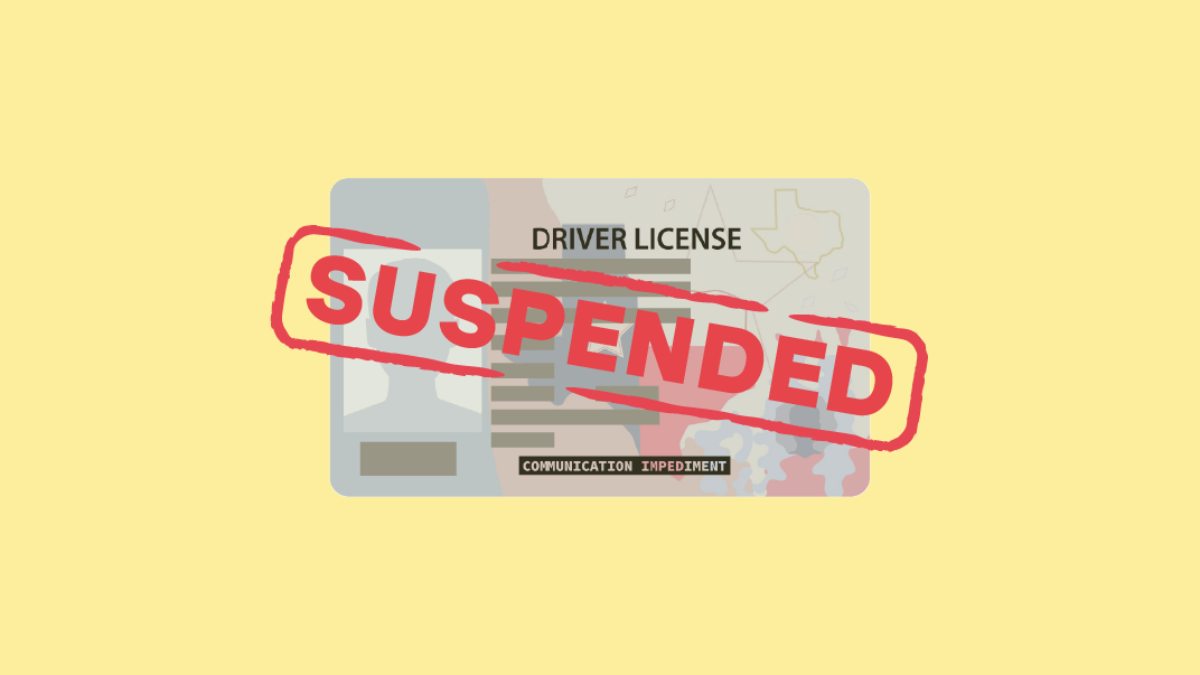
A suspended license temporarily removes your driving privileges, usually because of violations such as unpaid tickets, DUI, or an insurance lapse. Insurers see this as a red flag and automatically move you into the high-risk category.
Understanding these rules early prevents surprise cancellations and extra penalties down the road.
Can I Get Auto Insurance With a Suspended License?
Can I get car insurance with a suspended license even though you’re not allowed behind the wheel right now? The answer is yes in every state, but the process is different and usually more expensive.
Standard insurers may still issue or renew your policy, yet they classify you as high-risk and frequently require an SR-22 or FR-44 filing with the DMV. You can also choose a non-owner policy if you don’t currently own a vehicle but still need to satisfy reinstatement requirements. If you are comparing similar situations, it also helps to review insurance for unlicensed drivers before choosing a policy.
How Much More Expensive Is Car Insurance With a Suspended License?
Auto insurance with suspended license almost always costs significantly more because insurers view the suspension as a predictor of higher future claims. Drivers in this category may also want to compare non-standard auto insurance options before requesting quotes.
In 2026, the average nationwide increase is 101%, adding roughly $993 per year compared with a clean record. Full-coverage policies that normally run $1,800–$2,200 annually often jump to $3,600–$4,500+. DUI-related suspensions that trigger SR-22 or FR-44 can push annual premiums to $3,300–$5,400. If your suspension is tied to an alcohol-related incident, see our guide on does auto insurance cover DUI accidents for more context.
2026 Average Cost Comparison (Full Coverage)
| Driver Situation | Monthly Cost | Annual Cost | Increase vs Clean Record |
| Clean driving record | $150–$183 | $1,800–$2,200 | — |
| Suspended license (general) | $300–$375 | $3,600–$4,500 | +101% |
| DUI + SR-22/FR-44 required | $275–$450 | $3,300–$5,400 | +150–200% |
| Non-owner SR-22/FR-44 | $75–$150 | $900–$1,800 | +67–100% |
Exploring Non-Owner Options: Can I Get Car Insurance With a Suspended License if I Don’t Own a Car?
Can i get car insurance with a suspended license if you sold or don’t currently own a vehicle? A non-owner policy is often the smartest and most affordable solution.
If you need an SR-22 or FR-44 for license reinstatement but have no car to insure, a non-owner policy provides liability coverage when you occasionally drive someone else’s vehicle. It satisfies state requirements without the higher cost of insuring a physical car.
The Benefits of Non-Owner Car Insurance
- Cheaper premiums: No physical vehicle means significantly lower rates than standard policies.
- Fulfills SR-22/FR-44 requirements: You can attach the filing to a non-owner policy.
- Prevents coverage lapses: Maintains an active insurance record for better rates later.
Many drivers in this exact situation save 30–60% compared with full owner policies while staying fully compliant.
The Vital Connection: Suspended License and Car Insurance Rules
Suspended license and car insurance are tightly linked because most states require continuous proof of financial responsibility even during suspension.
Dropping your policy entirely can extend your suspension, add new fines, and make future insurance far more expensive. Maintaining some form of coverage shows insurers and the DMV that you take responsibility seriously.
The Danger of a Coverage Lapse
The biggest mistake you can make with a car insurance suspended license is letting your coverage lapse simply because you aren’t driving.
A lapse marks you as high-risk twice — once for the suspension and again for the gap in history — which can double or triple your rates when you try to buy insurance later. Many states actively monitor registered vehicles; an uninsured registered car can trigger extra fines and extend your suspension period.
Even a parked car needs protection against theft, vandalism, or weather damage, making comprehensive-only coverage a smart middle ground.
Parked Car Insurance (Comprehensive-Only)
If your suspension will last 12 months or longer and no one else will drive your vehicle, ask your insurer about “parked car” or comprehensive-only insurance.
This option pauses liability and collision coverage but keeps your car protected against theft, fire, vandalism, and natural disasters while maintaining a continuous insurance record.
It is usually much cheaper than full coverage and prevents the costly penalties that come with a total lapse.
SR-22 vs FR-44: What’s the Difference and When Is Each Required?
SR-22 and FR-44 are both certificates of financial responsibility, but they are not the same.
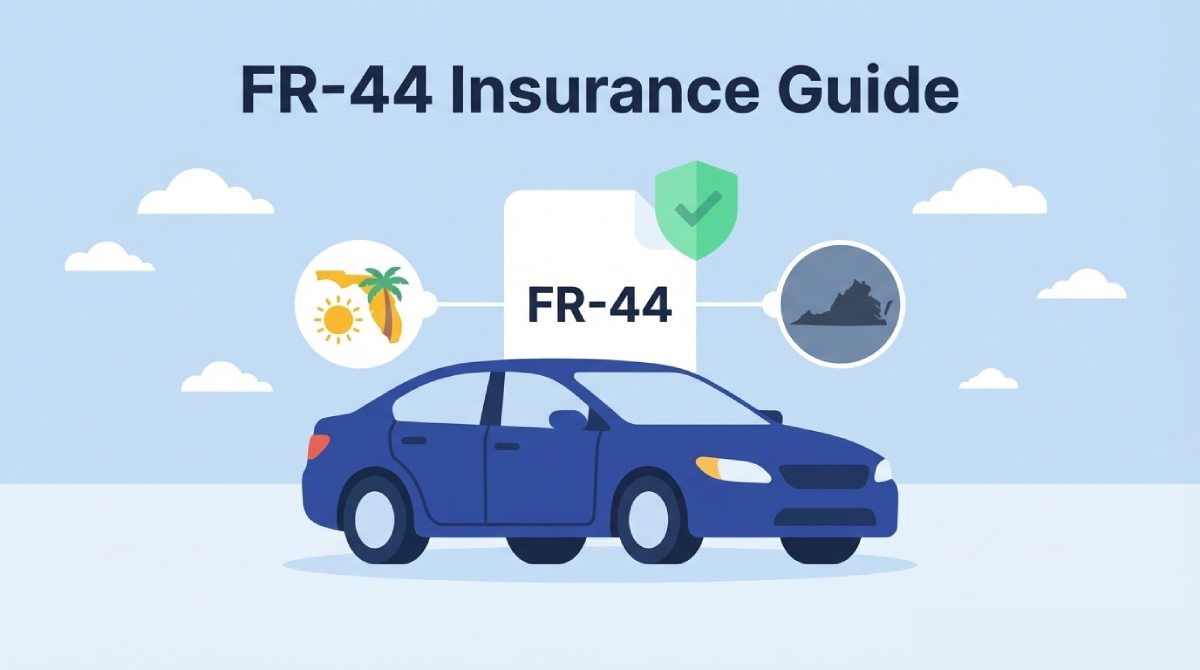
SR-22 is the most common form used in 42 states and is filed when you must prove minimum liability coverage after serious violations. FR-44 is used primarily in Florida (and a few other states) and typically requires higher liability limits — often $100,000 per person / $200,000 per accident / $50,000 property damage — especially after DUI convictions.
Your DMV or court will tell you exactly which form you need and for how long (usually 3 years).
How to File SR-22 or FR-44: Step-by-Step Guide
Car insurance for suspended licence situations almost always require proper filing of SR-22 or FR-44. Here is the exact process most drivers follow in 2026:
- Contact your chosen insurer and explain your suspension and the required filing.
- Purchase the minimum liability policy (or non-owner policy) that meets your state’s limits.
- Ask the agent to file the SR-22 or FR-44 certificate directly with your state DMV — most do this electronically the same day.
- Pay the one-time filing fee ($15–$25 in most states).
- Keep the policy active for the full required period; any lapse triggers automatic notification to the DMV and can restart your suspension.
Your agent can handle almost everything over the phone, making the process faster than most people expect.
State-by-State Variations and What You Need to Know
Auto insurance with suspended license requirements vary by state. California and Florida demand SR-22 or FR-44 for 3 full years with higher limits, while Texas requires it for 2 years.
Some states (Delaware, Kentucky, Minnesota, New Mexico, New York, North Carolina, Oklahoma, Pennsylvania) do not use SR-22 at all and rely on different forms or self-certification. Minimum coverage amounts also differ — Florida’s bodily injury minimum can be as low as $10,000 per person, while many states require $25,000.
Always double-check your specific state DMV website or speak with a local agent to avoid compliance mistakes.
How to Lower Your Car Insurance Costs With a Suspended License
Even with a car insurance suspended license, you can still reduce premiums by 20–40% with the right moves. It may also help to understand factors that increase car insurance rates when you compare high-risk quotes.
Maintain continuous coverage (even non-owner or comprehensive-only), choose higher deductibles you can afford, and complete any required defensive-driving or DUI education courses — many insurers give discounts for finishing them. Shop at least 4–5 high-risk carriers annually, bundle with renters or homeowners insurance when possible, and consider telematics devices that reward safe driving habits.
Get Personalized Car Insurance Quotes With a Suspended License Today
You now have a clear, practical roadmap for handling car insurance suspended license challenges in 2026 — from SR-22 and FR-44 filings to non-owner options and cost-saving strategies.
Don’t risk extra fines, longer suspensions, or sky-high rates by guessing. Our independent licensed agents work with multiple high-risk carriers and know exactly which companies file SR-22 and FR-44 fastest in your state.
Take the next step right now: Fill out the short form below with your ZIP code and basic suspension details. A specialist will call you within one business day with real quotes and a customized plan to get you compliant and back on the road legally. No obligation — just clear, expert help.
Frequently Asked Questions
Can I get car insurance with a suspended license?
Yes — every state allows coverage, though you will usually pay higher rates and may need an SR-22 or FR-44 filing.
How much more does auto insurance with suspended license cost in 2026?
On average 101% more, adding roughly $993 per year. SR-22/FR-44 cases often reach $3,300–$5,400 annually.
What is the difference between SR-22 and FR-44?
SR-22 is used in most states; FR-44 is Florida’s version and usually requires higher liability limits. Both prove financial responsibility.
Is non-owner insurance a good option?
Yes — it is often 30–60% cheaper and still allows SR-22/FR-44 filing while keeping your insurance history active.
Will my rates drop after license reinstatement?
Yes — once the suspension ends and you maintain a clean record for 12–36 months, most drivers see rates return much closer to normal levels.
Final Thoughts
A car insurance suspended license situation feels complicated, but with the right policy, proper SR-22 or FR-44 filing, and smart choices like non-owner or parked-car coverage, you can stay protected and work toward getting your license back faster.
The key is acting quickly and choosing the right carrier so you avoid lapses that create even bigger problems.
Fill out the form above today and let our experts guide you through the exact steps and costs for your specific situation. You’ll receive competitive 2026 quotes and straightforward advice so you can move forward with confidence and peace of mind.
>>> Related Guides
- Learn about car insurance with no credit history
- Compare best full coverage car insurance for seniors in 2026
- See our guide to worst auto insurance companies

William James is a personal finance and insurance writer who focuses on auto insurance, car ownership costs, and consumer-friendly coverage guides. He specializes in breaking down complex insurance topics—such as policy requirements, claims, high-risk driver coverage, and premium pricing—into clear, practical advice for everyday drivers. His work is designed to help readers compare options, understand state-specific rules, and make more confident financial decisions. At Life My Savings, William writes research-backed content aimed at making insurance and money topics easier to understand.