
Missing a car insurance payment is more common than most people think — life gets busy, finances get tight, and an auto-pay glitch can catch you off guard. But here’s the honest truth: what happens if You don’t pay car insurance is a chain reaction that starts small and can escalate into serious legal and financial trouble faster than you’d expect.
This guide from Life My Savings walks you through every stage of that chain — from the first missed payment to policy cancellation, legal penalties, and how to get back on track. Whether you’re researching options, comparing coverage costs, or trying to reinstate a lapsed policy, this article gives you the full picture with no fluff.
How Car Insurance Cancellation Works When You Miss a Payment
Understanding what triggers cancellation is the first step to protecting yourself — and your liability coverage — before a minor oversight turns into a legal problem. When you miss a payment, your insurer doesn’t immediately cancel your policy; there’s a defined process they must follow, and knowing it gives you a window to act. Older drivers who want broader protection and fewer coverage surprises may also want to compare best full coverage car insurance for seniors in 2026 before settling for minimum limits.
The Grace Period — How Long Do You Actually Have?
If you miss a payment, your insurer may give you a short grace period before cancellation, but the exact timing depends on your insurer, your state, and your policy. Progressive says drivers will usually have about 10 to 20 days depending on the state, and the NAIC model law requires at least 10 days’ notice before cancellation for nonpayment of premium. The exact length depends on your insurer, your state’s regulations, and your specific policy terms.
During this window, your coverage technically remains active. If you pay your overdue premium before the grace period expires, nothing changes — your policy continues as if the missed payment never happened. However, this grace period is not guaranteed in every state or with every insurer, so the absolute first thing you should do when you miss a payment is call your insurance company and check your specific terms.
Pro Tip: Set a calendar reminder or enable auto-pay to prevent accidental lapses. Even a single missed payment can trigger the cancellation process.
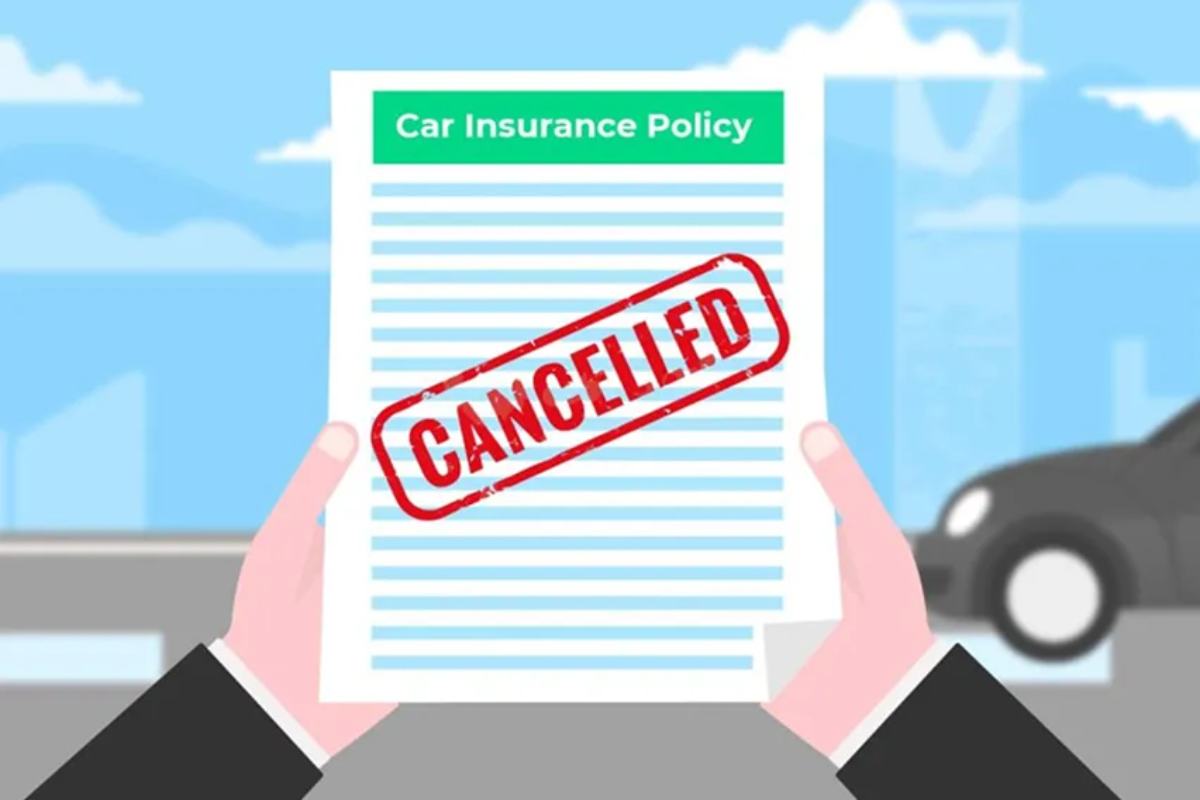
Notice of Cancellation — What Your Insurer Must Tell You
In most U.S. states, insurance companies are legally required to send you a written notice of cancellation before they can terminate your policy for non-payment. This notice typically arrives 10–30 days before the cancellation date, giving you one final chance to pay and avoid a lapse.
According to the National Association of Insurance Commissioners (NAIC), state laws vary significantly on notice requirements — some states require mailed physical notices, while others allow electronic delivery. Always keep your contact information updated with your insurer so cancellation notices don’t slip through the cracks.
What Happens to Your Policy If You Stop Paying Car Insurance
If you’re wondering if I don’t pay my car insurance what happens after that grace period ends, the answer is straightforward but consequential: your policy is cancelled, your coverage stops, and any claims filed after that date will be denied. Understanding what a car insurance lapse actually means for your financial exposure is critical.
Non-Payment vs. Non-Renewal — Key Differences
There are two ways a car insurance policy can end, and they’re not the same:
Policy Cancellation (Non-Payment) happens mid-term when you stop paying. This is the more serious scenario. A lapse itself does not automatically mean you will need an SR-22. In some states, an SR-22 may be required after you are caught driving uninsured or after a suspension tied to proof-of-insurance requirements. An SR-22 is not insurance — it is a document filed with the state to prove you carry the required coverage.
Non-Renewal happens when the policy term ends (usually every 6 or 12 months) and either you or the insurer decides not to continue. Non-renewal is far less damaging to your insurance profile than a mid-term cancellation.
The key takeaway: if you’re struggling to afford your current premium, it’s better to proactively shop for cheaper coverage before your policy cancels than to let a non-payment cancellation go on your record. Before letting a policy lapse, it also helps to understand can you pause car insurance and whether your insurer offers any safer alternatives.
What a Coverage Gap Really Means for You
A coverage gap — also called an insurance lapse — is any period where your vehicle is registered but has no active insurance. Even a gap of just a few days is visible to insurers when you apply for new coverage, because many states share DMV data with insurance databases.
What a coverage gap means practically:
- Any accident or damage during the gap period is 100% your financial responsibility. No insurer will cover a claim for an event that happened while you were uninsured.
- Future insurers will charge you higher premiums because a lapse is a statistical predictor of higher risk.
- In some states, a gap can trigger automatic DMV notification, which can result in registration suspension.
Legal and Financial Consequences of Driving Without Insurance
What happens if you don’t pay your auto insurance and then drive anyway? This is where the consequences escalate from inconvenient to genuinely serious. Nearly every U.S. state requires drivers to maintain auto liability insurance or another approved form of financial responsibility, but the rules are not identical nationwide. New Hampshire is the main exception: the state does not generally require auto insurance, though drivers must be able to meet financial responsibility requirements. Virginia also used to allow an uninsured vehicle fee, but as of July 1, 2024, that option was eliminated and registered vehicles must carry qualifying insurance.
State-by-State Penalties: Fines, License Suspension, SR-22
The penalties for driving uninsured vary by state but generally include:
First Offense:
- Fines ranging from $100 to $1,500 depending on state
- License suspension (30 days to 1 year in many states)
- Vehicle registration suspension or impoundment
- Requirement to file an SR-22 certificate (proof of financial responsibility)
Repeat Offenses:
- Larger fines
- Extended license suspension
- Possible jail time in states like Virginia and New Mexico
- Mandatory SR-22 filing for 2–3 years
An SR-22 is not a type of insurance — it’s a form your insurer files with the DMV certifying that you carry the state minimum coverage. Being required to carry SR-22 insurance typically raises your premiums by 20–50% and must be maintained continuously for the required period. If an SR-22 filing is required, letting that coverage lapse can create serious problems with your driving privileges. But the exact consequence and timeline depend on state rules, so avoid claiming an automatic suspension in most states unless you are citing those states individually. If a lapse leads to filing or reinstatement problems, it also helps to review car insurance for a suspended license before you get back on the road.
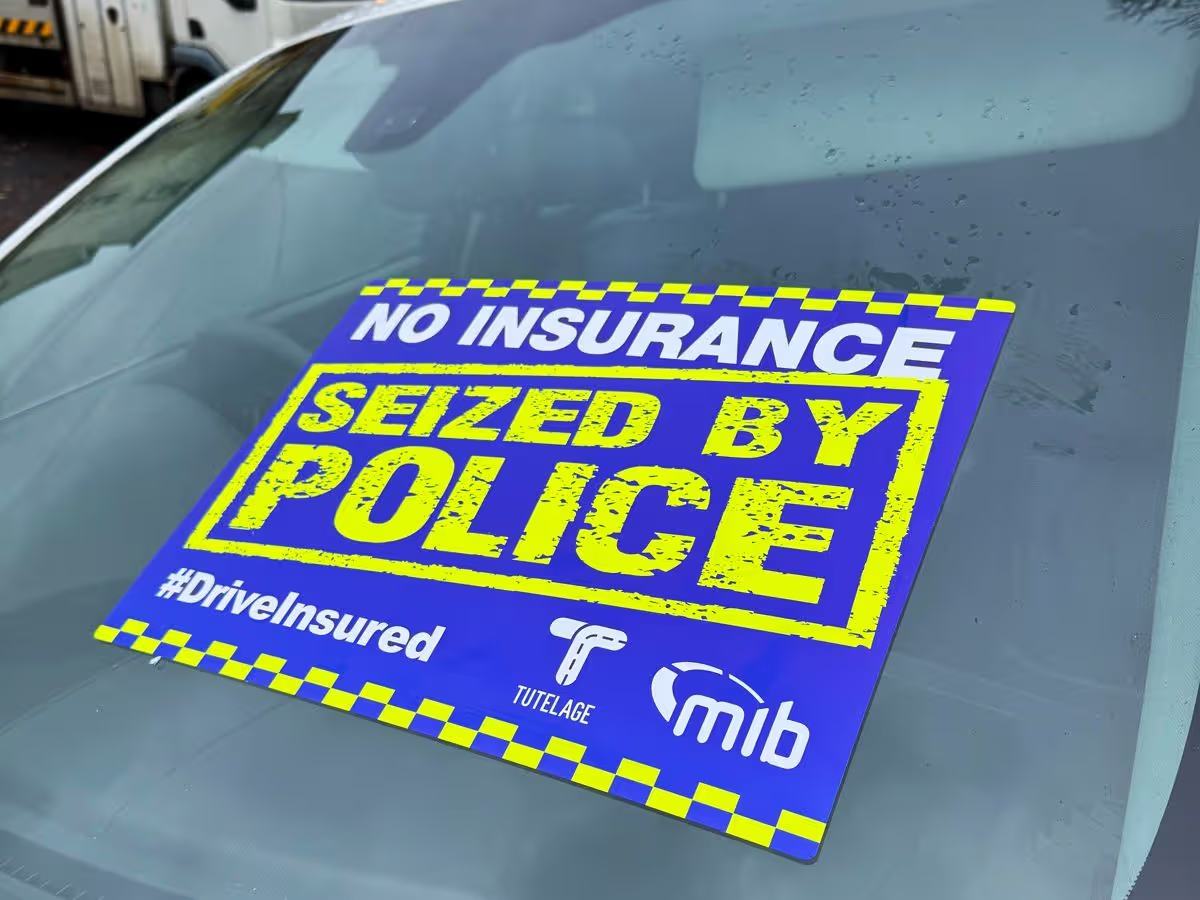
What If You Get Into an Accident While Uninsured?
This is the worst-case scenario, and it’s important to understand the full financial exposure. If you cause an accident while driving without insurance:
- You are personally liable for all property damage and bodily injury you cause to others
- The other driver’s uninsured motorist coverage may pay their damages — and their insurer can then sue you directly to recover those costs
- If you cannot pay, the injured party can obtain a court judgment against you, leading to wage garnishment or asset seizure
- Your own vehicle damage receives no coverage unless you have a valid policy
According to III, citing a 2025 Insurance Research Council study, 15.4% of motorists in 2023 were uninsured — or more than one in seven drivers. — making uninsured motorist coverage one of the most valuable add-ons any driver can carry. [Source: Insurance Research Council, Uninsured Motorists, 2023 edition]
How Missing Payments Affects Your Future Insurance Rates
If you stop paying car insurance, the financial impact doesn’t end when you reinstate your policy. The auto insurance coverage gap follows you, and understanding how insurers evaluate it helps you plan your recovery strategy.
Why Insurers View a Lapse as High-Risk
Insurance pricing is based almost entirely on statistical risk modeling. Actuarial data consistently shows that drivers who have had a coverage lapse are more likely to file claims than drivers with continuous coverage history. The reasoning isn’t punitive — it reflects real patterns in driver behavior.
From an insurer’s perspective, a lapse can suggest:
- Financial instability, which correlates with deferred vehicle maintenance and higher accident risk
- Less-experienced insurance management, which correlates with other coverage gaps in the future
- Potential unreported driving incidents during the gap period
The result is that insurers classify recently lapsed drivers in a higher-risk tier, which directly increases your quoted premiums. Drivers who have already been pushed into a higher-risk tier may also want to compare non-standard auto insurance options before accepting the first quote they receive.
How Long Does a Lapse Stay on Your Record?
Most insurers look back 3 to 5 years when calculating your risk profile. A single short lapse (under 30 days) will have a smaller impact than a long gap or multiple lapses over the same period.
Here’s a general impact timeline:
- Lapse under 30 days: Minor premium increase (5–15%) with most standard insurers
- Lapse of 30–90 days: Moderate increase (15–30%); some preferred-tier insurers may decline you
- Lapse over 90 days: Significant increase (30–50%+); may need non-standard or high-risk insurer
- Multiple lapses: You may only qualify for assigned-risk pools or specialty high-risk carriers
The practical takeaway: every day your car insurance lapse continues costs you money on your next policy. Acting quickly to reinstate or replace coverage is always the financially smarter move.

How to Reinstate Your Car Insurance After a Lapse
Once you understand if you stop paying car insurance what happens, the next natural question is: how do you fix it? The good news is that reinstatement is almost always possible — the process just depends on how long your lapse has been and whether your original insurer is willing to work with you.
Steps to Reinstate With Your Current Insurer
If your lapse is recent (under 30 days), your original insurer will often reinstate your policy without requiring a new application. Here’s the typical process:
- Contact your insurer immediately — call, don’t email, for the fastest response
- Pay any overdue premium and ask whether a reinstatement fee applies. Fees and reinstatement rules vary by insurer and state, so avoid quoting a universal dollar range unless you have a source for that carrier or state.
- Confirm your reinstatement date in writing — make sure there’s no gap between the cancellation date and reinstatement
- Update your payment method to prevent future lapses (switch to autopay if possible)
Some insurers may also require you to sign a statement confirming no accidents or claims occurred during the lapse period. This is standard and not a cause for concern if that’s genuinely the case.
Shopping for New Coverage After a Lapse
If your insurer won’t reinstate you, or if their rates after reinstatement are uncompetitive, you’ll need to shop for new coverage. When you start shopping again, you may also want to ask do credit unions offer car insurance if your financing or banking relationship gives you extra options.. Here’s how to approach it effectively:
- Be honest about your lapse on applications. Misrepresenting your insurance history is insurance fraud and can void your new policy.
- Compare multiple carriers — some insurers specialize in drivers with coverage gaps and offer more competitive rates in that niche. If you are thinking about overlapping old and new coverage during the transition, it also helps to review can you have 2 insurance policies on the same car before making changes.
- Consider higher deductibles temporarily to lower your premium while your history improves.
- Ask about loyalty discounts, multi-policy bundles, or defensive driving discounts to partially offset the lapse surcharge.
- Set a 12-month goal to switch back to a preferred-tier insurer once your record shows a clean year of continuous coverage.
Get a Free Quote — Talk to an Insurance Advisor Today
You’ve done the research. Now take action before a lapse costs you more.
Whether you’re trying to reinstate a cancelled policy, searching for affordable coverage after a gap, or just want to make sure you’re getting the best rate before your next payment is due — our licensed insurance advisors are ready to help.
Fill out the short form below and one of our advisors will call you within 24 hours to:
Request a Free Insurance Consultation
Frequently Asked Questions – What happens if you don’t pay car insurance
What happens if I don’t pay my car insurance for one month?
A: Most insurers will send a cancellation notice after the grace period (typically 10–30 days). If you pay within that window, your policy usually continues uninterrupted. After the grace period expires, your policy is cancelled and you have no coverage.
Can I drive my car if my insurance lapses?
A: Legally, no. Every U.S. state requires minimum liability insurance to legally operate a vehicle. Driving with a lapsed policy exposes you to fines, license suspension, and full personal financial liability for any accidents.
How long does an insurance lapse affect my rates?
A: Most insurers review the past 3–5 years of coverage history. A single short lapse affects rates for roughly 1–3 years. Multiple lapses or a long gap can affect your rates for up to 5 years.
Will my insurer automatically cancel my policy for one missed payment?
A: Not immediately. Most policies include a grace period and require a written notice of cancellation before coverage ends. However, this varies by state and insurer, so check your policy documents or call your agent right away.
What is an SR-22 and do I need one after a lapse?
A: An SR-22 is a financial responsibility certificate your insurer files with the DMV. It’s typically required if your license was suspended due to driving uninsured. Not every lapse requires an SR-22 — it usually depends on whether you were caught driving without insurance.
Can I get car insurance if I’ve had a lapse?
A: Yes. Almost all insurers will quote drivers with a lapse history, though you may pay higher premiums initially. Some specialty insurers cater specifically to high-risk and lapsed drivers.
Summary
Missing a car insurance payment sets off a predictable but serious chain of events: a grace period, a cancellation notice, policy termination, and — if you keep driving — potential legal and financial consequences that can follow you for years. The single most important thing you can take away from this guide is speed matters. The faster you address a lapse — whether by reinstating with your current insurer or finding new coverage — the smaller the long-term impact on your rates, your record, and your financial security.
If you’re in that situation right now, the form above connects you to a licensed advisor who can walk you through your specific options without pressure or obligation.
>>> Related Guides
- Learn when did car insurance become mandatory
- Review how long can you stay on your parents car insurance
- Compare how much is small business insurance for auto repair shops

William James is a personal finance and insurance writer who focuses on auto insurance, car ownership costs, and consumer-friendly coverage guides. He specializes in breaking down complex insurance topics—such as policy requirements, claims, high-risk driver coverage, and premium pricing—into clear, practical advice for everyday drivers. His work is designed to help readers compare options, understand state-specific rules, and make more confident financial decisions. At Life My Savings, William writes research-backed content aimed at making insurance and money topics easier to understand.