
If you’ve ever taken an ATV out on a trail, open field, or even across your own property, you know how exhilarating — and how unpredictable — off-road riding can be. What many riders don’t think about until it’s too late is what happens after an off-road vehicle accident. Does your existing car insurance step in? Will auto insurance cover ATV accident, or are you riding completely unprotected?
The full picture is more nuanced than a simple yes or no, and understanding exactly where standard policies fall short — and what ATV insurance coverage can fill the gap — could save you from a financially devastating situation. Whether you’re a seasoned rider or considering your first ATV purchase, this guide will walk you through everything you need to know, clearly and honestly.
>>> Fill the form to get a personalized ATV insurance quote within 24 hours
Will Auto Insurance Cover ATV Accident?
Most people assume that because their car is insured, any motor vehicle they operate is somehow covered under the same umbrella. This is one of the most common and costly misconceptions in personal insurance. Standard auto insurance policies are specifically designed and underwritten for street-legal, registered motor vehicles that operate on public roads — not for recreational off-road vehicles.
The distinction matters enormously when it comes to an ATV accident claim, because the coverage triggers built into your auto policy are tied directly to how a vehicle is classified and where it is operated. If you are also trying to understand how claim payments are calculated after vehicle damage, read our guide on how much insurance may pay for covered repairs.
What “Auto Insurance” Typically Covers
A standard auto insurance policy generally includes several key components: bodily injury liability (which covers injuries to others if you cause an accident), property damage liability, collision coverage for your own vehicle, comprehensive coverage for non-collision events like theft or weather damage, medical payments or personal injury protection, and uninsured/underinsured motorist coverage.
Each of these coverages applies to your insured vehicle — the car or truck named on your declarations page — operating in the circumstances your insurer anticipated when they priced your policy. An ATV operating on a trail, farm, or off-road recreation area simply doesn’t fit that profile.
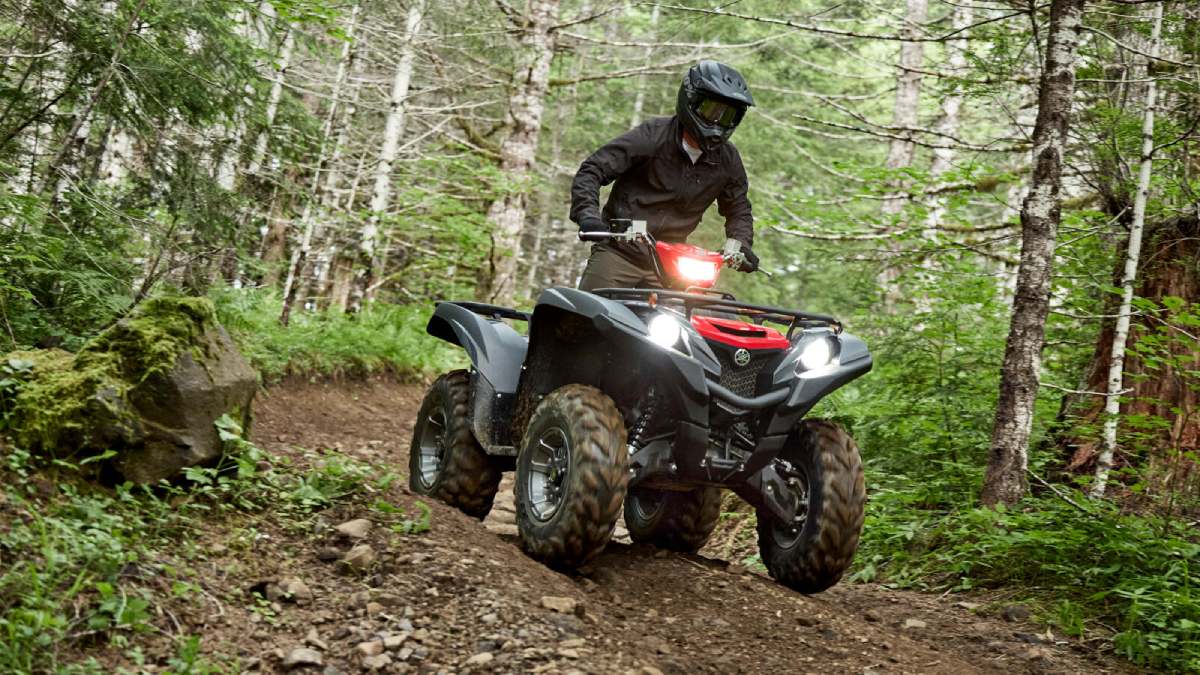
Why ATVs Are Usually Excluded from Standard Policies
Auto insurance policy exclusions for ATVs are written intentionally and for good reason from the insurer’s perspective. Off-road vehicles carry a different risk profile than passenger cars: they are used in uncontrolled environments, lack the safety features of street-legal vehicles (like airbags and crumple zones), and often operate in situations where liability is harder to assess. According to the U.S. Consumer Product Safety Commission (CPSC), ATVs are involved in tens of thousands of injuries and hundreds of fatalities each year — a risk profile most auto insurers price out of their standard policies entirely.
Most policies include explicit language stating that motorized vehicles not designed for use on public roads are excluded. This means that if you crash your ATV on a trail and your quad is totaled, your standard auto insurance pays nothing for the vehicle. If a passenger is injured, your auto liability coverage won’t respond either. The financial exposure, in other words, falls entirely on you.
When Can Auto Insurance Apply to an ATV Incident?
While the general rule is exclusion, there are a small number of edge-case scenarios where your existing auto insurance might have some relevance to an ATV-related incident. Understanding these exceptions is important — but equally important is understanding how limited they are.
This section is where many policyholders get genuinely confused, because insurance language can be vague, and agents don’t always proactively walk customers through ATV-related gaps in their coverage.
Liability If Your ATV Rolls onto a Public Road
Here is one of the narrow exceptions that does exist in some policies: if your ATV rolls out of control and causes damage to a vehicle on a public road — without you actively operating it — some auto liability policies might respond, depending on insurer-specific language. However, if you were riding the ATV on a public road or in a situation that caused an accident, most policies will still deny the claim because the ATV itself is the excluded vehicle.
This distinction — between the ATV being the instrumentality of the accident versus your conduct as an operator — is exactly the kind of fine print that matters during a claim. Always read your policy’s “motor vehicle” and “off-road vehicle” definitions carefully.
Medical Payments Coverage — a Partial Exception
Medical payments (MedPay) or personal injury protection (PIP) coverage on your auto policy sometimes covers the policyholder for medical expenses regardless of which vehicle caused the injury, provided the policy language is broad enough. Some policies extend MedPay to “any accident involving a motor vehicle,” which could theoretically include an ATV accident. However, this varies substantially by insurer and by state, and many policies explicitly carve out off-road vehicles even under MedPay.
The safest assumption is that your ATV medical payments coverage needs to come from a dedicated ATV policy — not from your car insurance.
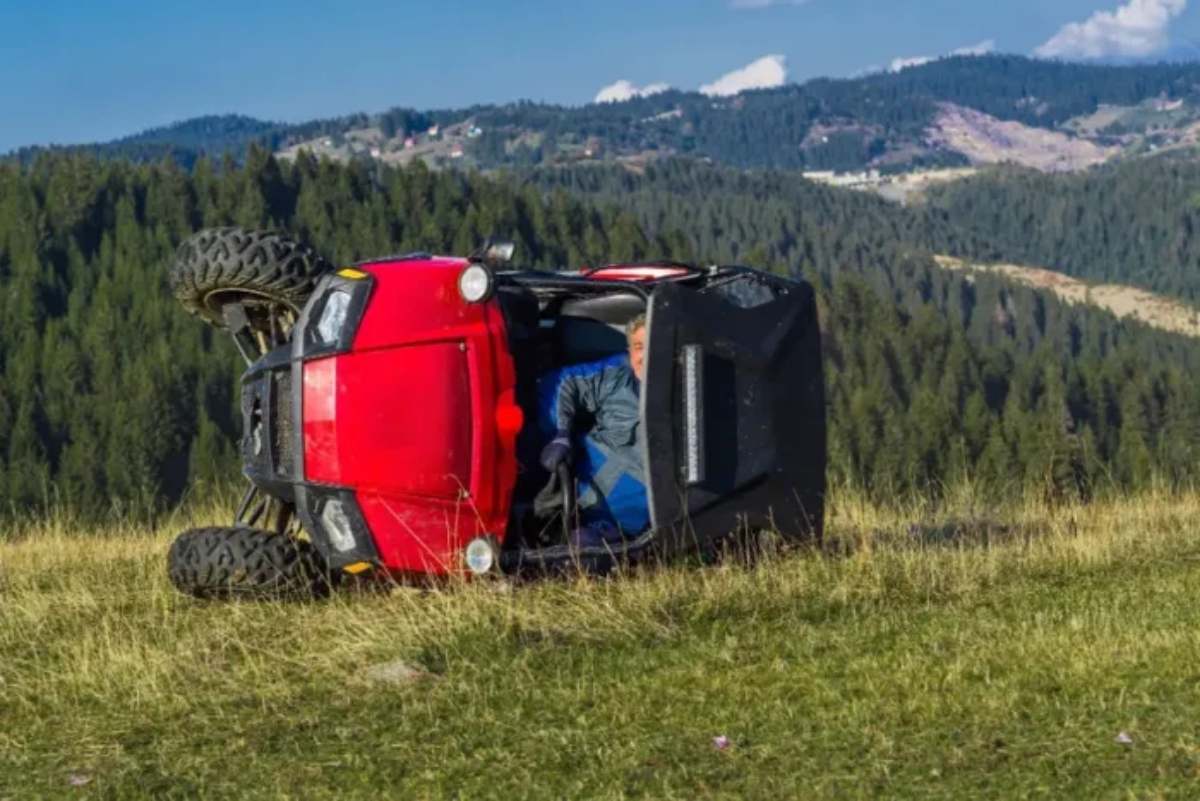
Uninsured Motorist Coverage and ATVs
Similarly, uninsured motorist (UM) coverage on your auto policy is generally limited to accidents involving other road-legal vehicles. If another ATV rider hits you on a trail and they have no insurance, your auto policy’s UM coverage is unlikely to respond. This is a real vulnerability that standalone off-road vehicle insurance addresses directly.
What ATV Insurance Coverage Actually Covers (And What Doesn’t)
The good news is that dedicated ATV insurance coverage exists, is widely available, and is significantly more affordable than most riders expect. Understanding what a proper ATV policy includes helps you compare options intelligently rather than simply picking the cheapest quote.
Dedicated ATV insurance is purpose-built for the off-road context — it accounts for the terrain, the risk profile, and the typical ways an off-road vehicle accident occurs — in ways that standard auto policies simply don’t.
ATV Collision and Comprehensive Coverage
ATV collision coverage pays to repair or replace your ATV if it’s damaged in a collision with another vehicle, object, or as a result of a rollover — regardless of fault. ATV comprehensive coverage protects against non-collision losses like theft, fire, vandalism, flood, or falling objects. For another example of how non-collision property damage is handled, see our guide on what renters insurance may cover after a break-in. Together, these two coverages protect your investment in the vehicle itself, which for many modern ATVs represents $8,000 to $15,000 or more.
It’s worth noting that if you financed your ATV through a lender, they will almost certainly require you to carry both collision and comprehensive coverage — just as an auto lender requires full coverage on a financed car.
ATV Liability Insurance
ATV liability insurance covers damage or injuries you cause to other people or their property while operating your ATV. This is arguably the most important coverage to carry, because liability claims — especially those involving bodily injury — can easily reach six figures. If your ATV strikes another rider, damages someone’s fence or vehicle, or causes injury to a bystander, your liability coverage is the firewall between you and a devastating lawsuit.
Some states and private land owners also require proof of ATV liability insurance before they will grant access to trails or riding areas, making this coverage practically essential even beyond the financial protection it provides.
What Is Typically Excluded
Even within dedicated ATV policies, exclusions exist. Racing or competitive events are almost universally excluded from recreational ATV policies — if you compete in any organized ATV racing, you need a separate motorsports policy. Damage that occurs while a rider under the legal age is operating the vehicle may be denied. Some policies also exclude riding on public roads (since ATVs are typically not street-legal) or operating in violation of local ordinances. Reading the exclusions section of any ATV policy is just as important as reading the coverage declarations.
Do You Need a Separate ATV Insurance Policy?
For the vast majority of ATV owners, the answer is yes — a standalone ATV insurance policy is the only reliable way to ensure you have meaningful protection. Relying on your auto insurance, homeowners insurance, or an informal assumption of coverage leaves dangerous and potentially expensive gaps. If you are still comparing the practical value of carrying the right protection, it helps to understand how buying auto insurance helps protect you.
That said, the type of policy you need depends on how you use your ATV, where you ride, and what your state law requires.
Recreational Vehicle Insurance vs. Auto Insurance
Recreational vehicle insurance — a category that includes ATV, UTV, dirt bike, and snowmobile coverage — operates on similar principles to auto insurance but is calibrated for off-road use. It accounts for the different risk environments, typical repair costs, and liability scenarios that come with recreational riding. Some insurers bundle recreational vehicle insurance with other policies for a discount, or allow you to add ATV coverage as a rider to a homeowners or umbrella policy. However, a standalone recreational vehicle policy typically offers the broadest and most clearly defined protection.
Homeowners policy riders for ATVs are worth mentioning, but they come with their own limitations — coverage is often limited to incidents that occur on your property, which leaves you completely unprotected the moment you trailer your ATV to a riding park or public trail.
States That Require ATV Insurance by Law
ATV insurance requirements vary widely by state. Some states — including California, New York, and Michigan — require registration and, in some contexts, proof of liability insurance for ATV operation. Other states have no mandatory insurance requirements for off-road vehicles at all. However, even in states without a legal mandate, riding uninsured exposes you to personal liability that could attach to your wages, savings, and assets in the event of a lawsuit. Checking your specific state’s Department of Motor Vehicles (DMV) or Department of Natural Resources (DNR) requirements is a smart first step before your next ride.

How Much Does ATV Insurance Cost?
ATV insurance is considerably more affordable than auto insurance, which surprises many first-time buyers. The average cost of a basic ATV insurance policy in the United States ranges from roughly $100 to $400 per year for recreational riders, though this varies based on several factors.
The primary drivers of ATV insurance cost include the value of the ATV (a $12,000 sport quad costs more to insure than a $4,000 utility model), the rider’s age and experience (younger or less experienced riders typically pay more), how and where the ATV is used (farm/utility use is generally lower risk than aggressive trail riding), the coverage limits and deductibles you choose, and your state of residence. Adding comprehensive and collision coverage will increase your premium but dramatically increases your financial protection. Many insurers also offer discounts for completing ATV safety courses, bundling policies, or being a longtime customer — always ask what discounts are available when you request an ATV insurance quote.
How to File an ATV Accident Claim (Step-by-Step)
If you do experience an off-road vehicle accident and you have ATV insurance, knowing how to file a claim efficiently can make a significant difference in how quickly and smoothly your claim is resolved.
The process closely mirrors filing a standard auto insurance claim, but there are a few ATV-specific considerations to keep in mind.
- Step 1: Ensure Safety First. Get yourself and any passengers to safety. Assess injuries and call emergency services if anyone is hurt. Do not move seriously injured riders unless they are in immediate danger.
- Step 2: Document the Scene. Take photographs and video of the accident scene, all vehicles or objects involved, any visible injuries, and the terrain conditions. Documentation is your best evidence during an ATV accident claim.
- Step 3: Gather Information. If another party is involved, collect their name, contact information, and any insurance details. If witnesses are present, note their contact information as well.
- Step 4: Report the Accident. Depending on where the accident occurred and the severity, you may need to file a police report. Some states require accident reporting even for off-road incidents resulting in injury or significant property damage.
- Step 5: Contact Your Insurer Promptly. Call your ATV insurance provider as soon as possible — most policies have reporting timelines, and delays can complicate your claim. If you want to know what usually happens after the claim is opened, it also helps to understand how long a claim may take after an accident. Have your policy number, accident details, and documentation ready.
- Step 6: Work with the Claims Adjuster. Your insurer will assign a claims adjuster who will review the documentation, assess the damage, and determine the payout based on your coverage. Be honest, thorough, and responsive throughout this process.
Get a Free ATV Insurance Quote — Let Us Help You
Ready to Protect Your Ride?
If this article has made one thing clear, it’s this: your standard auto insurance policy almost certainly will not cover an ATV accident. Riding without proper ATV insurance is riding at financial risk — and one serious accident can cost tens of thousands of dollars out of pocket.
The good news is that getting the right coverage is easier and more affordable than most riders expect. Our licensed insurance advisors specialize in off-road vehicle insurance and can help you find the right ATV coverage for your riding style, your budget, and your state’s requirements — quickly and without the runaround.
Fill out the form below to get started:
- Get a personalized ATV insurance quote within 24 hours
- Talk to a licensed advisor who understands recreational vehicle insurance
- Compare coverage options side-by-side with no obligation
By submitting this form, you agree to be contacted by one of our licensed insurance advisors. We do not sell your information to third parties.
Frequently Asked Questions (FAQ Schema)
Will my car insurance cover an ATV accident on my property?
A: In most cases, no. Standard auto insurance does not cover ATV accidents, even on private property. If the incident occurs on your property, your homeowners insurance may provide some limited liability protection, but it typically excludes motorized vehicles beyond a certain size or power rating. A standalone ATV policy or a specific recreational vehicle rider to your homeowners policy is the most reliable solution.
Does car insurance cover ATV accidents if the ATV is registered with the state?
A: Not automatically. Even if your ATV is registered with your state’s DMV (as is required in some states), that registration does not cause your auto insurance policy to cover it. Coverage depends on what your policy specifically insures — and unless your ATV is listed on your auto policy as a covered vehicle, which is rarely possible with standard insurers, it remains excluded.
What happens if someone gets hurt on my ATV?
A: If a passenger or bystander is injured on or by your ATV and you do not have ATV liability insurance, you are personally liable for their medical expenses, lost wages, and potential pain and suffering damages. Medical bills alone can quickly exceed $50,000 for serious injuries. ATV liability insurance is the primary financial protection against this kind of exposure.
Can I add ATV coverage to my existing auto insurance policy?
A: Most standard auto insurance companies do not allow ATVs to be added to a personal auto policy. However, some specialty insurers — and a small number of major carriers — offer dedicated ATV or off-road vehicle policies that can sometimes be bundled with your existing coverage for convenience or discount purposes. It’s worth asking your current insurer directly, and comparing standalone ATV quotes regardless.
How much ATV insurance coverage do I actually need?
A: At a minimum, ATV liability insurance with at least $100,000 per occurrence is a reasonable starting point for most recreational riders. If your ATV has significant value, add collision and comprehensive. If you frequently ride with passengers or on public or semi-public trails, higher liability limits and medical payments coverage are strongly advisable. A licensed advisor can help you determine the right coverage levels for your specific situation.
Is ATV insurance required in my state?
A: Requirements vary by state. Some states require liability insurance for ATVs that are operated on public lands or registered with the state; others do not mandate it. Regardless of legal requirements, carrying ATV insurance is a sound financial decision given the potential costs of an uninsured accident. Check with your state’s DMV or DNR for current requirements, or ask an insurance advisor who knows your state’s rules.
>>> Related Guides
- See whether should I get rental car insurance
- Review whether insurance follows the car or the driver in California
- Learn do you need car insurance in Florida
William James is a personal finance and insurance writer who focuses on auto insurance, car ownership costs, and consumer-friendly coverage guides. He specializes in breaking down complex insurance topics—such as policy requirements, claims, high-risk driver coverage, and premium pricing—into clear, practical advice for everyday drivers. His work is designed to help readers compare options, understand state-specific rules, and make more confident financial decisions. At Life My Savings, William writes research-backed content aimed at making insurance and money topics easier to understand.