
Getting into an accident is stressful, but figuring out the claims process shouldn’t be. If you are looking at a damaged vehicle and wondering, “how much will insurance pay to fix my car,” the final payout depends heavily on your specific policy, your deductibles, and the adjuster’s estimate. This guide breaks down exactly how insurance companies calculate your settlement and what happens if repair costs exceed the value of the vehicle. Lifemysavings.com will also explain how much does insurance pay for car damage and whether you have the right to keep the payout money. Read on to learn how to navigate the auto claims process confidently and get the maximum settlement you deserve.
Understanding your payout: how much will insurance pay to fix my car?
Figuring out exactly how much does insurance pay for car damage can feel overwhelming after an unexpected accident. This section breaks down the core factors that claims adjusters use to calculate your final settlement — so you know exactly what to expect before the check arrives. The specific language in your policy, your deductible, and your vehicle’s current market value all directly dictate the final dollar amount.
When you file a claim, the insurance company doesn’t issue a blank check. The process is carefully regulated to make you “whole again” — meaning restoring your vehicle to the condition it was in immediately before the incident. Three foundational pillars determine every auto repair payout:
- Your Deductible This is your out-of-pocket share. If your repair bill is $3,200 and your deductible is $500, the insurer pays $2,700. You pay the $500 directly to the shop. Higher deductibles mean lower monthly premiums — but a smaller settlement when you file.
- Your Coverage Limits For collision and comprehensive claims, the absolute ceiling on any payout is the vehicle’s Actual Cash Value. The insurer will never pay more to fix a car than the car itself is worth.
- Actual Cash Value (ACV) According to standard insurance definitions (and widely referenced by sources like (Wikipedia’s entry on Actual Cash Value), ACV is calculated by subtracting depreciation from the current replacement cost. It is not what you paid for the car new — and it is often significantly less than what you owe on a loan.
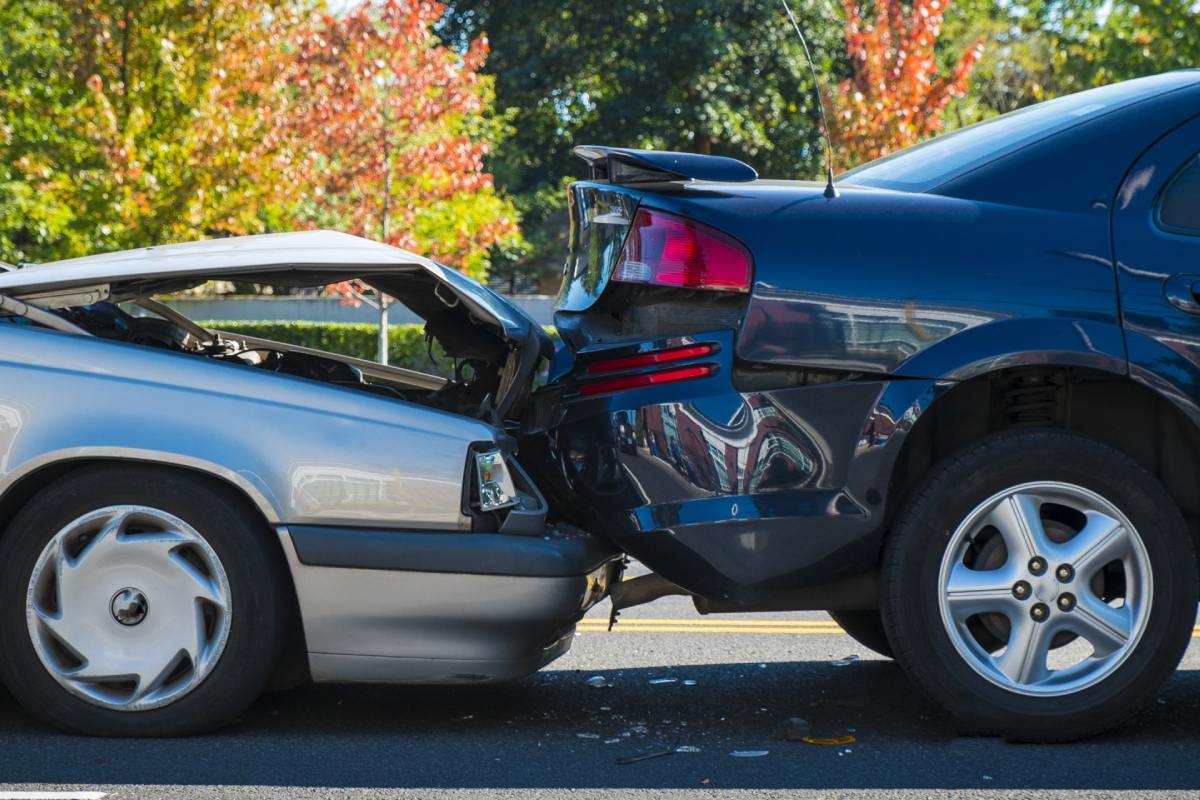
How insurance companies calculate repair costs
If you’re asking will my insurance pay for car repairs, the answer depends heavily on how the adjuster builds the initial estimate. Insurance adjusters use industry-standard software (such as Mitchell or CCC ONE) and approved rate data to generate fair market repair figures. Understanding how much will insurance pay to repair a car requires a look behind the curtain at how those numbers are actually calculated.
Once a claim is filed, the insurer assigns an adjuster to evaluate your damage and write an estimate. Here’s how the key line items are determined:
Labor rates: your zip code matters
Insurers don’t pay whatever your preferred shop charges per hour. They pay the “prevailing competitive labor rate” for your specific zip code — essentially the average rate across comparable shops in your local market. If a luxury dealership charges $200/hour for body work but the local market average is $90/hour, your insurer will cover the $90/hour rate. Any premium above that rate comes out of your own pocket unless you negotiate otherwise.
This is why two drivers in different cities with identical damage may receive noticeably different payout amounts for the same repair. If you are also wondering about the timeline, it helps to understand how long a car insurance claim takes before repairs are approved and paid.
>>> Best Full Coverage Car Insurance for Seniors in 2026
OEM vs. aftermarket parts: a critical cost variable
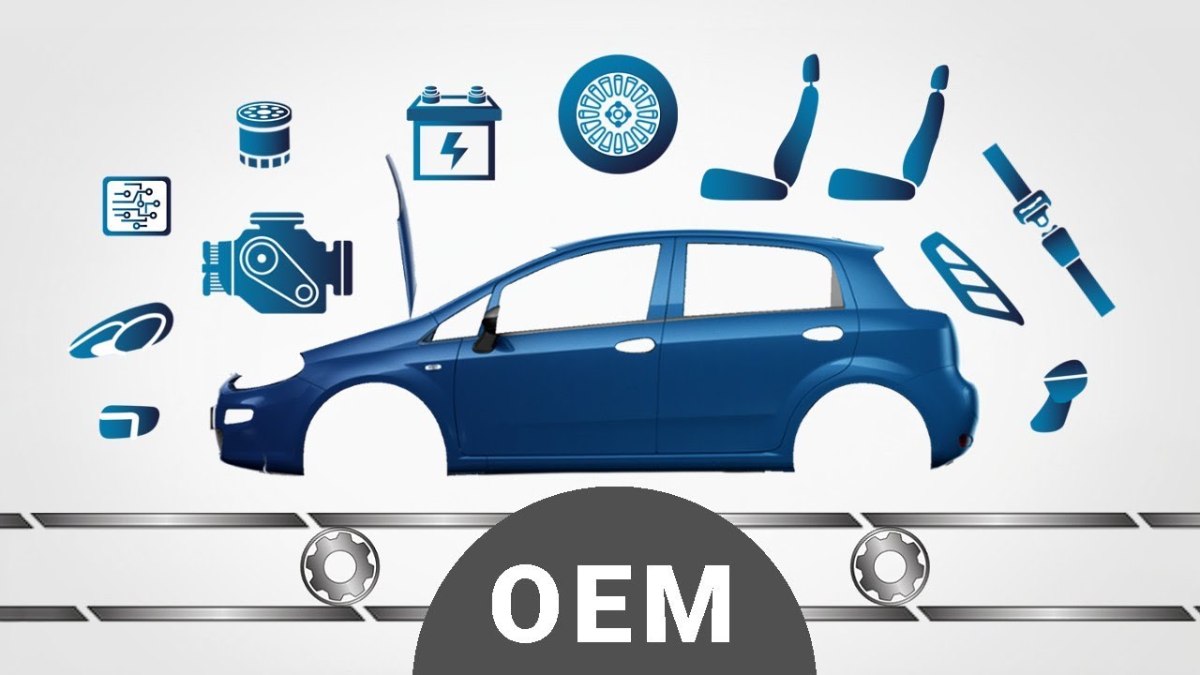
A major factor in how much will insurance pay for my vehicle is the type of replacement parts used in the estimate. Unless you have a specific OEM (Original Equipment Manufacturer) parts endorsement added to your policy, most insurers default to pricing out repairs with:
- Aftermarket parts — Non-factory parts made by third-party manufacturers. They must be certified to perform equivalently but are cheaper than OEM.
- Salvage/used parts — Pulled from other vehicles of the same make/model. Lowest cost but vary in condition.
If you own a newer vehicle, especially one still under a manufacturer’s warranty, insisting on OEM parts is worth discussing with your insurer. Some states also require insurers to disclose when non-OEM parts are used.
Hidden damage and supplement claims
Initial estimates are based on visible damage only. Once your shop begins work — removing bumpers, panels, or interior components — hidden structural damage often surfaces. When this happens, your repair facility files a supplemental claim directly with your insurer. The adjuster reviews the additional damage, and the insurer issues supplemental payment to cover it.
Important: Never pay a body shop out of pocket for damage beyond the original estimate. Always insist they submit a supplement to your insurer first.
>> Hot news: How much is commercial auto insurance for Uber 2026? Quotes
The total loss dilemma: when repair costs are too high
Understanding how much is my car worth as an insurance payout is especially critical when your vehicle sustains severe damage. When repair costs approach the vehicle’s actual value, insurers will formally declare it a total loss rather than authorize repairs. This decision follows a regulated formula — and knowing it helps you anticipate the outcome.
Insurance companies are running a straightforward financial equation: if fixing the car costs more than the car is worth, repair makes no economic sense. Two methods are used across different states to reach this conclusion:
The total loss threshold (TLT)
Most states set a fixed percentage: if estimated repair costs reach 70%–80% of the ACV, the insurer must declare a total loss and issue a salvage title.
The total loss formula (TLF)
Some states use a formula instead:
Cost of Repairs + Salvage Value ≥ ACV = Total Loss
Under this formula, even if repairs are only 60% of ACV, if the salvage value of the wrecked car pushes the total over ACV, it’s declared a total loss.
How much will insurance pay for a totaled car?
If your car is totaled, the insurer pays you the ACV of the vehicle at the time of the accident, minus your deductible. That’s the settlement amount — not the loan payoff, not the purchase price.
You are not required to accept the insurer’s first ACV offer. If you believe it undervalues your vehicle, gather evidence: recent private-party listings of identical vehicles (same year, make, model, trim, mileage) in your market, receipts for recent significant upgrades (new transmission, new tires, recent major service), and condition documentation. Present this to your adjuster in writing. Insurers regularly revise ACV upward when given compelling comparable market data.
If you have a car loan and the ACV payout is less than your remaining balance, GAP insurance covers the difference — another coverage worth carrying on financed vehicles.
>> More infomation: What Is the Minimum PIP Coverage in Michigan in 2026?
Do you have to fix your car with the insurance money?
Many policyholders wonder: do I have to fix my car with insurance money, especially for cosmetic damage like hail dents or a scratched bumper. In most cases, if you own the vehicle outright, you can legally keep the check. However, important exceptions apply if you have a loan, a lease, or plan to file future claims on the same vehicle.
If you own the car free and clear
When there is no lienholder on your vehicle, the insurance payout is legally yours as compensation for the reduction in the vehicle’s value. You can use the funds however you choose — or do a DIY repair and keep the remainder.
However, there is a significant financial risk to keeping the money and leaving damage unrepaired: if the same area of the car is damaged in a future accident, your insurer will deduct the amount they already paid you from the new settlement. They documented the pre-existing condition in your claim file. You cannot collect twice for the same damage.
If you have a loan or lease
If a bank or finance company holds a lien on your vehicle, the situation is different. Lenders require the vehicle to be repaired to protect their collateral. The insurance check will typically be made payable jointly to you and the lienholder — or directly to an approved repair facility. You cannot simply cash it.
Will insurance pay you directly to do your own repairs?
Will insurance pay you to fix your own car? In some cases, yes. If you own the vehicle outright and plan to perform repairs yourself or source parts more cheaply, some insurers will pay the estimated repair value directly to you. Be upfront with your adjuster about your intent. Not all insurers allow this, and policies vary by state, but it is a legitimate question worth asking before you sign anything.
What types of coverage actually pay for car repairs?
To accurately answer does car insurance cover repair costs, you need to look at the specific coverage types on your declarations page. Liability insurance pays for the other driver’s property — not yours. Understanding which policies protect your own vehicle is essential before you ever need to file a claim.
| Coverage Type | What It Pays For | When You Use It |
|---|---|---|
| Collision | Repairs your car after an accident, regardless of fault | You hit another car, a tree, a pole, or a pothole |
| Comprehensive | Non-collision damage to your vehicle | Theft, vandalism, fire, flood, hail, animal strikes, falling objects |
| Property Damage Liability | Repairs someone else’s car or property | You are at fault and damage another driver’s vehicle |
| Uninsured Motorist Property Damage (UMPD) | Repairs your car when hit by an uninsured driver | Hit-and-run or accident caused by an uninsured motorist (availability varies by state) |
Bottom line: If you carry state-minimum liability insurance only, your insurer pays nothing to fix your own car — regardless of fault. Collision and/or Comprehensive coverage are required to receive a repair payout on your own vehicle. If you are still comparing the real value of carrying stronger protection, it helps to understand how buying auto insurance helps protect you before choosing lower limits.
How much is too much for a car repair? A decision framework
Deciding how much is too much for a car repair goes beyond what the insurance check covers. You have to weigh your deductible, the vehicle’s age and reliability, potential hidden damage, and the strategic cost of filing a claim at all. Here is a practical framework for making that tough call.
The 50% rule
A widely used rule of thumb in the auto industry: if repair costs exceed 50% of the car’s current market value and the vehicle is out of warranty, it is often more financially sound to cut your losses and replace it rather than repair it. Putting $5,000 into a $9,000 car means you’re driving a repaired vehicle with diminished resale value and potential ongoing issues.
Safety integrity after structural damage
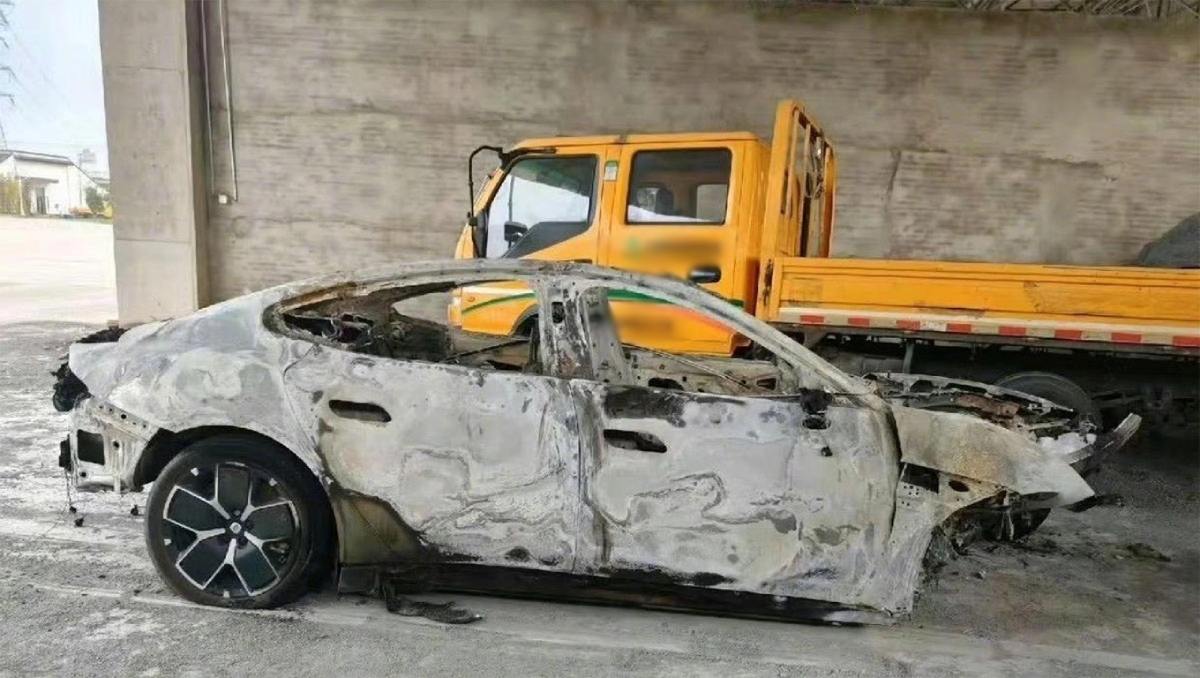
Modern vehicles are engineered with crumple zones — sections designed to absorb impact energy and protect occupants. Once a car has sustained heavy structural or frame damage, even a professionally repaired vehicle may never perform as safely in a secondary collision. For families, this safety consideration often outweighs the financial math.
The ripple effect of major collisions
Significant crashes often trigger cascading mechanical failures that surface months later — transmission shudder, alignment issues, electrical shorts, or suspension wear that wasn’t immediately apparent. Factor in this long-term reliability risk, especially on vehicles with existing high mileage.
When should you file a claim vs. pay out of pocket?
File a claim when:
- Damage exceeds $2,000–$3,000 with a $500–$1,000 deductible
- You were not at fault and filing against the other driver’s liability insurer
- Injuries are involved
- You have accident forgiveness on your policy
Pay out of pocket when:
- Repair cost is less than 2–3x your deductible
- You have a minor claim history and don’t want a rate increase
- Damage is cosmetic and doesn’t affect safety or drivability
Every claim you file is recorded. A pattern of small claims can raise your premiums for 3–5 years — sometimes costing more in increased premiums than the original repair would have.
Special situations: rental cars, diminished value, and uninsured drivers
Beyond the core repair payout, several additional costs arise after an accident that directly affect how much will insurance pay for my car in total. These often-overlooked coverages can add hundreds or even thousands of dollars to your overall recovery — but only if you know to ask for them.
- Rental Reimbursement Coverage — If you added this optional coverage, your insurer pays for a rental vehicle while yours is in the shop, typically $30–$50/day for up to 30 days. Without it, you pay out of pocket — unless the at-fault driver’s insurer covers a rental under their liability policy.
- Diminished Value Claims — Even a perfectly repaired vehicle carries a lower resale value than a comparable car with a clean history. In most states, you can file a diminished value claim against the at-fault driver’s insurer to recover this financial loss. It is separate from the repair estimate, entirely legitimate, and frequently overlooked by claimants.
- Uninsured/Underinsured Motorist Property Damage (UMPD) — If the at-fault driver has no insurance or insufficient coverage, your own UMPD coverage activates to pay for repairs. Without UMPD or collision coverage, your only recourse is pursuing the at-fault driver directly in civil court — a slow, uncertain process.
How to maximize your insurance car repair payout
Many policyholders accept the first settlement offer without realizing they have room to negotiate. Understanding how to advocate for yourself within the claims process directly impacts how much insurance will pay for a damaged car — often by hundreds or thousands of dollars.
| Strategy | Actionable Steps & Details |
| Document Everything Before Moving | Photograph all damage immediately from multiple angles in strong natural light. Capture road conditions, skid marks, and the positions of all vehicles. Thorough documentation leaves less room for an adjuster to minimize the estimate. |
| Get Independent Repair Estimates | Obtain 2–3 written quotes from reputable, independent body shops. If these quotes are materially higher than the insurer’s offer, submit them in writing to your adjuster to use as negotiation leverage. |
| Challenge ACV with Comparable Vehicles | If your car is totaled and the Actual Cash Value (ACV) offer seems low, pull current local private-party listings for identical vehicles (same year, make, model, trim, and mileage). Insurers frequently increase payouts when presented with credible comps. |
| Insist on Supplement Claims | Do not pay out of pocket for hidden damage found during the teardown process. Instruct your repair shop to file a formal “supplement claim” with your insurer—a standard industry practice they are obligated to review. |
| Ask About OEM Parts Coverage | If your car is still under the manufacturer’s warranty, check if Original Equipment Manufacturer (OEM) parts are covered. Using aftermarket parts can negatively affect both your warranty and the vehicle’s resale value. |
| Consider a Public Adjuster | For large, complex claims exceeding $10,000–$15,000, consider hiring a licensed public adjuster. They work for you (not the insurer), and while they take a 5–15% cut, they consistently recover more money than the original offer. |
| Escalate if Necessary | If a settlement offer remains unreasonably low, take formal action:
• Request a re-inspection with a senior adjuster. • Invoke your policy’s appraisal clause for a neutral third-party valuation. • File a formal complaint with your state’s Department of Insurance (DOI). |
Frequently Asked Questions about auto insurance repair payouts
Navigating claims, coverage types, and collision centers can be deeply confusing. These expert answers address the most common questions around how much will insurance pay me for my car — designed for fast, clear answers that cut through the jargon.
Will my car insurance pay for repairs if it’s my fault?
Yes — but only if you have Collision coverage. If you caused the accident and only carry liability insurance, you are 100% responsible for your own vehicle repairs. Liability protects the other driver, not you. Drivers comparing fault and ownership rules may also want to understand whether insurance follows the car or the driver in different situations.
Can insurance pay for car repairs at any shop I choose?
Yes. It is illegal in most states for an insurance company to “steer” or force you to use their preferred network shops. While they may recommend a shop that comes with a lifetime labor guarantee, you have the legal right to take your vehicle to any licensed repair facility of your choosing.
How much will insurance pay for damaged car interiors?
Interior damage caused by a covered peril — such as a break-in where the seats were slashed, or flood damage to upholstery — is covered under Comprehensive insurance, minus your deductible. If the damage happened during a vehicle break-in, you may also want to review does renters insurance cover car break-ins. Wear and tear or mechanical failure is not covered.
Do you have to fix a car with insurance money?
If you own the vehicle outright with no lienholder, you are generally not legally required to use the payout for repairs. However, if the same damage area is involved in a future claim, your insurer will deduct the prior payment from the new settlement.
Will insurance pay me to fix my car if I’m hit by an uninsured driver?
Yes, if you carry Uninsured Motorist Property Damage (UMPD) or Collision coverage. Without either of these coverages, you would need to pursue the at-fault driver directly in civil court for compensation.
How much will insurance pay me for my totaled car?
The settlement equals the ACV of your vehicle immediately before the accident, minus your deductible. You can negotiate this figure by presenting comparable vehicle listings and documentation of recent upgrades.
>> Related Guides
- Find out will auto insurance cover an ATV accident
- See whether should I get rental car insurance
- Learn do you need car insurance in Florida

William James is a personal finance and insurance writer who focuses on auto insurance, car ownership costs, and consumer-friendly coverage guides. He specializes in breaking down complex insurance topics—such as policy requirements, claims, high-risk driver coverage, and premium pricing—into clear, practical advice for everyday drivers. His work is designed to help readers compare options, understand state-specific rules, and make more confident financial decisions. At Life My Savings, William writes research-backed content aimed at making insurance and money topics easier to understand.