
If you’ve just been in an accident, one of the first questions on your mind is probably: how long does it take for a car insurance claim to settle — and when will I actually have money in my pocket? The honest answer is that timelines vary more than most people expect, and that uncertainty is genuinely stressful when you’re dealing with a damaged car, rental costs, or medical bills piling up.
This guide of Life My Savings breaks down everything you need to know about how long does it take for car insurance claim processing to complete — from the moment you file to the day you receive your payout. You’ll also find practical, expert-backed strategies to speed up the process and avoid the most common pitfalls. Because the rules genuinely differ by state and by claim type, we’ll flag those distinctions clearly so you aren’t misled by overly simple “national averages.”
What Determines How Long a Car Insurance Claim Takes?
Understanding the timeline for a car insurance claim starts with recognizing that no two claims are identical — and that state law, claim type, and fault status shape your experience more than any industry-wide rule of thumb. The how long does it take to settle car insurance claim question doesn’t have a universal answer precisely because it sits at the intersection of insurer processes, state regulation, and the specific facts of your accident.
Several core variables govern the timeline, and understanding them upfront will help you set realistic expectations and stay proactive throughout the process.
- First-party vs. third-party claims. This distinction is arguably the most important one in the entire claims process, and it’s frequently overlooked. A first-party claim means you’re filing with your own insurer under your own policy — for example, using your collision coverage to repair your car regardless of fault. A third-party claim means you’re filing against the other driver’s liability insurer. State “prompt payment” laws, which set deadlines for insurers to acknowledge and resolve claims, often apply to first-party claims but not to third-party claims. Older drivers who want broader protection and a smoother claims experience may also want to compare best full coverage car insurance for seniors in 2026 before choosing a policy. This means that if you are waiting on the at-fault driver’s insurance company, those legal protections may not apply to you in the same way.
- Fault determination. In at-fault states, the insurer must investigate and establish which driver caused the accident before paying out a liability claim. This investigation can take days or weeks, especially when police reports are pending or witness accounts conflict.
- Claim type and coverage. Whether your claim runs through collision, comprehensive, liability, or uninsured motorist coverage shapes the entire process. Comprehensive claims (theft, weather, vandalism) tend to resolve faster because fault is irrelevant. Bodily injury claims are the slowest category because medical treatment often needs to stabilize before a final settlement value can be established.
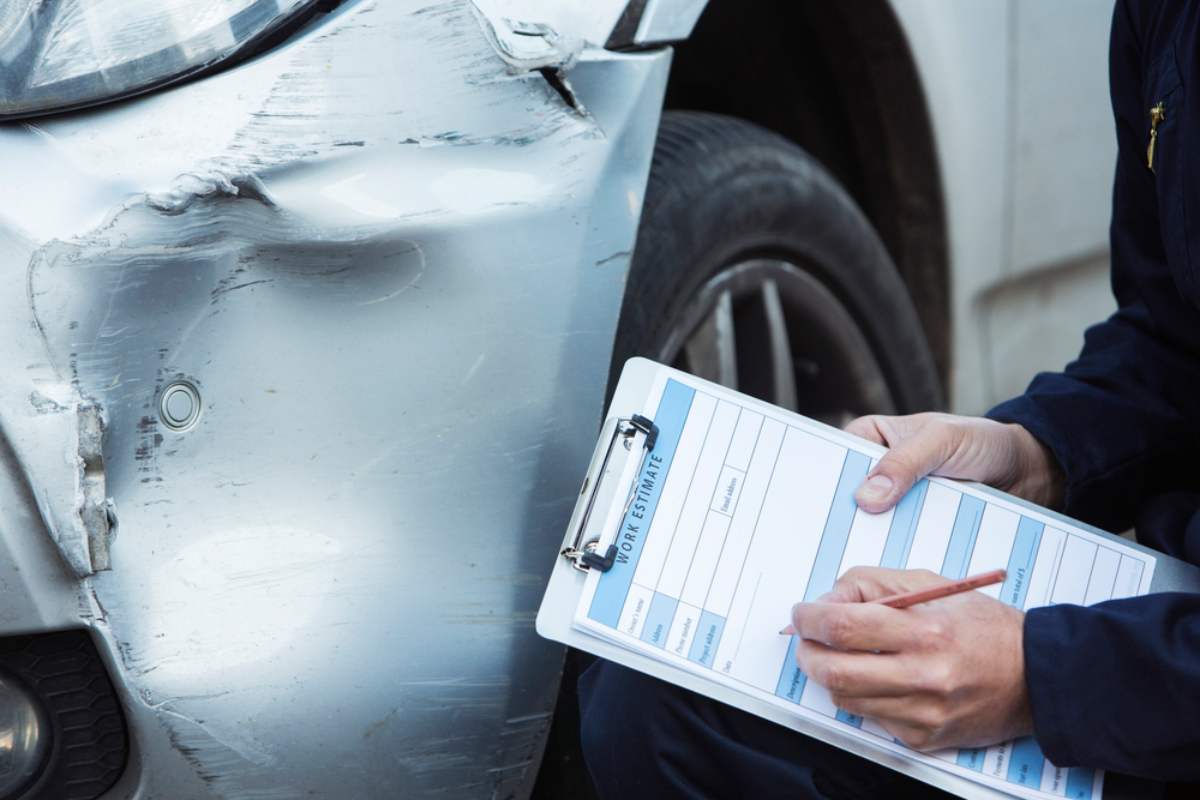
- Vehicle inspection and repair estimates. An insurance adjuster must document damage, review repair shop estimates, and authorize the scope of work — a process that can add multiple business days depending on adjuster availability and claim volume.
- State insurance regulations. Each state sets its own deadlines for claim acknowledgment, acceptance or denial, and payment. These vary meaningfully, and your state’s Department of Insurance is the authoritative source for what your insurer is legally required to do.
- Your responsiveness. One of the most overlooked delay factors is the claimant themselves. Late submission of documentation, slow responses to adjuster calls, or missing paperwork can halt the claim entirely — something you control.
>> Want a policy built for fast, stress-free claims? Fill out this quick form and let a licensed advisor find the best coverage for your needs
Typical Timelines: How Long Does Car Insurance Take to Pay Out?
The most common question people ask — how long does it take car insurance to pay out — doesn’t have a single answer, and any article that presents clean universal numbers is oversimplifying. That said, there are realistic ranges based on claim type and complexity that can help you calibrate your expectations. Think of these as directional benchmarks, not guarantees.
Minor First-Party Claims (Clear Fault, No Injuries)
For low-complexity first-party claims where fault is not disputed, damage is limited, and no injuries are involved, the process can move relatively quickly. Many straightforward property damage claims filed through your own collision coverage can close in a matter of weeks — but exactly how fast depends on your insurer’s internal process, adjuster availability, and your state’s regulatory framework.
In some cases, a rear-end collision where the at-fault driver accepts responsibility and both parties cooperate can resolve in under two weeks. In others, administrative steps alone stretch that out. The key insight is that filing under your own collision coverage — rather than waiting for the at-fault driver’s insurer to act — often gives you more control over the pace.
Major Claims (Severe Accidents, Disputed Fault, or Multiple Parties)
When the accident involves significant vehicle damage, multiple vehicles, disputed fault, or injuries, the timeline extends considerably. Claims with serious or ongoing medical treatment are typically the longest-running category, because insurers — and courts, if applicable — generally want to understand the full scope of your medical costs before making a final settlement offer. Settling too early on a bodily injury claim could leave you undercompensated for treatment you haven’t received yet.
The involvement of attorneys, subrogation processes between multiple insurers, or uninsured/underinsured motorist coverage adds further complexity that can stretch a claim across many months.
Comprehensive Claims (Non-Collision Events)
Comprehensive coverage — which applies to theft, hail, flood, fire, vandalism, or collision with an animal — can often move faster than collision or liability claims because fault is not a variable. Since the investigation is primarily about documenting the loss and valuing the damage, the process may be simpler. That said, regional catastrophes like major storms can create significant backlogs that slow even straightforward comprehensive claims considerably.
How Long Does It Take Insurance to Total a Car?
If your vehicle sustained severe damage, you may be wondering: how long does it take insurance to total a car? A total-loss determination happens when an insurer concludes that repairing the vehicle is not economically justifiable. How exactly that determination is made varies by state and by insurer methodology — there is no single national threshold.
It’s a common misconception that total-loss determinations follow a fixed percentage rule. Some states do use a defined threshold — Florida, for example, applies an 80% threshold — but others do not. The Texas Department of Insurance notes that if the cost of repairs approaches or exceeds the car’s current market value, the insurer may consider it a total loss, and that some insurers may total a vehicle even when repair costs fall below that level, depending on their internal methodology. The practical takeaway: your insurer’s valuation process, not a universal rule, determines whether your car is totaled.
The total loss process has its own internal timeline that unfolds after the initial claim is filed:
- Vehicle inspection and damage documentation — the adjuster records all damage and submits to the insurer’s valuation system.
- Total-loss determination — the insurer compares repair costs to the vehicle’s actual cash value (ACV), using valuation tools that draw on comparable local sales data.
- Settlement offer — the insurer presents a written total-loss offer based on their ACV calculation.
- Negotiation — you have the right to dispute the valuation if you can document that comparable vehicles in your area are priced higher. Gathering local listings for the same make, model, year, mileage, and condition before you respond to the offer is your strongest tool here.
- Payment — once both parties agree, the payment is processed, though title handling and lender payoffs (if you still carry a car loan) can add additional steps and time.
The overall timeline from date of loss to final payment can range from a few weeks to considerably longer, depending on whether the valuation is disputed, whether a lienholder is involved, and how quickly both parties respond.

How Long Does It Take for Insurance to Settle a Claim?
The word settle means something specific here: it’s the moment all parties agree on a payout amount and the claim is formally closed. Understanding how long does it take for insurance to settle a claim means recognizing that settlement is the end of a multi-step process, not a single event — and that different components of a claim settle at different speeds.
- Property damage typically resolves first because it’s the most calculable element — your car has a repair cost or an ACV that can be established through inspection and market data. If you want to understand that part in more detail, read our guide on how much insurance may pay to fix your car after a covered loss.
- Medical expenses settle more slowly. Insurers generally want to see that your treatment is complete, or that your condition has reached “maximum medical improvement,” before calculating a final bodily injury settlement. This protects you too — settling before you know your full medical costs can result in accepting far less than your actual damages.
- Pain and suffering is the most variable component, dependent on documentation quality, attorney involvement, and negotiation between parties.
State Regulations and Deadlines: What Insurers Are Required to Do
This is an area where many policyholders don’t realize they have meaningful leverage — but the rules are genuinely state-specific, so understanding what applies in your state is essential. How long it takes insurance companies to settle is partly a function of what the law requires them to do and when.
Texas provides a clear example of how these rules work. Under Texas law, insurers must acknowledge receipt of a claim within 15 calendar days. They then have 15 business days to accept or deny the claim after receiving all required documentation. Once they agree to pay, they must send payment within 5 business days. However — and this is an important caveat — the Texas Department of Insurance makes clear that these prompt payment requirements apply to first-party claims. If you are pursuing a third-party claim against another driver’s insurer, these specific deadlines may not apply to you in the same way.

California operates on a different schedule under the California Department of Insurance’s Fair Claims Settlement Practices regulations. California generally requires insurers to acknowledge a claim within 15 calendar days of receiving notice, to accept or deny the claim within 40 calendar days of receiving proof of claim, and to issue payment within 30 calendar days of reaching an agreement.
Other states have their own frameworks with distinct timelines. If your insurer appears to be dragging its feet, your state’s Department of Insurance website is the definitive resource for what deadlines apply and how to file a complaint. In some states, insurers that miss payment deadlines owe you interest on the delayed amount.
How to Speed Up Your Car Insurance Claim
Now that you understand the variables at play, let’s talk about what is genuinely within your control. Getting insurance claim money faster is possible when you are organized and proactive from the very first step.
- File immediately. Don’t wait even a day if you can help it. The sooner you file, the sooner an adjuster is assigned and the process begins. Most insurers now offer 24/7 filing via their app or website.
- Document everything at the scene. Photos of all vehicles, road conditions, traffic signs, license plates, and any visible injuries create a record that prevents delays during investigation. Use your phone’s timestamp function so images are automatically date-verified.
- Get a copy of the police report as soon as it’s available. In most jurisdictions this takes a few days. Share it proactively with your adjuster rather than waiting to be asked.
- Respond to your adjuster same-day. Every day you delay returning a call or email is a day the file sits idle. Treat adjuster communication as a priority.
- Consider a preferred or direct-repair shop — but know your rights. Some insurers maintain networks of preferred repair shops where they have pre-negotiated agreements, which can streamline the estimate and authorization process. Using one of these shops may help move your claim faster. That said, the Texas Department of Insurance notes that while insurers may provide a list of preferred shops, they generally cannot require you to use one — you have the right to choose your own licensed repair facility. Check your own state’s rules, but this protection exists broadly across most states.
- Keep a claims journal. Log every communication with the insurer — date, time, representative’s name, and what was discussed. This protects you if disputes arise and demonstrates engagement if you ever need to escalate.
- Consider a public adjuster for complex claims — with realistic expectations. For significant losses where you believe the insurer’s settlement offer is too low, a licensed public adjuster can document and negotiate the claim on your behalf. The Texas Department of Insurance notes that public adjusters in Texas can charge up to 10% of the settlement. Fee structures and state caps vary, so ask any prospective public adjuster to explain their fee in writing and verify your state’s regulations before signing a contract. Public adjusters are generally more valuable on large, complex claims where the negotiation gap justifies their fee.

Common Delays and How to Avoid Them
Even well-prepared claimants run into delays. Knowing the most common causes helps you respond effectively rather than feeling stuck.
- Incomplete documentation is the single most common delay. Missing medical records, unsigned authorization forms, or an incomplete repair estimate can freeze a claim entirely. Create a checklist of everything your insurer has requested and follow up explicitly on each item.
- Disputed liability is the second major cause of slowdowns. When both parties blame each other — common in intersection accidents and lane-change collisions — the insurer must complete a full investigation before paying out a liability claim. One practical workaround: file under your own collision coverage to get your vehicle repaired faster, while the liability investigation continues separately. Your insurer will then pursue the at-fault party through subrogation.
- Total loss disputes arise when you disagree with the insurer’s ACV calculation. Research comparable local vehicle listings before engaging in this negotiation — concrete market data is far more persuasive than simply saying you think the offer is low.
- Post-catastrophe backlogs are an unpredictable but real delay factor. Major storms, wildfires, or widespread regional events create enormous claim volumes that stretch adjuster availability. During these periods, consistent communication and proactive follow-up matter more than usual.
How to Get Your Car Insurance Money Faster: The Bottom Line
If you’re asking how long does it take to get car insurance money, the most accurate answer is: it depends — and any source that gives you a single confident number is glossing over the variables that actually control your timeline. What you can say with confidence is that simpler first-party claims with no disputes or injuries tend to move faster, while anything involving fault investigation, injury treatment, or total-loss valuation takes meaningfully longer.
Here is a realistic directional reference, stated as ranges rather than definitive rules:
- Simple first-party property damage (no dispute, no injury): Can resolve in a few weeks in many cases, depending on insurer and state.
- Comprehensive claims (non-collision events): Often faster than collision claims given no fault determination, though backlogs after regional disasters can extend timelines.
- Major collisions with disputed fault: Can take one to several months.
- Total-loss determination and settlement: Timeline varies by state, insurer methodology, and whether the valuation is disputed.
- Bodily injury and liability claims: Often several months; claims involving significant injury or litigation can extend considerably longer.
- Claims involving uninsured motorists or lawsuits: Can extend to a year or more in complex cases.
One final point worth emphasizing: having the right policy structure in place before an accident — appropriate coverage limits, uninsured motorist protection, and rental reimbursement coverage — directly reduces the friction you’ll experience if a claim ever occurs. If you are still comparing the broader value of stronger protection, it helps to understand how buying auto insurance helps you before settling for lower limits. A well-structured policy gives your insurer fewer gaps to navigate when a claim is filed.

How Long Does It Take for a Car Insurance Claim 2026? FAQ
Car insurance claim — how long does it take from start to payout?
There is no single national answer. Simple first-party property damage claims can resolve in a few weeks; disputes, injuries, and total-loss valuations can push timelines to several months. Your state’s regulations and whether you are filing with your own insurer or the other driver’s insurer are the biggest variables.
How long does it take to get an insurance claim approved?
This depends on your state. Texas, for example, gives insurers 15 business days to accept or deny a claim after receiving all required documentation on first-party claims. California allows 40 calendar days after receiving proof of claim. Check your state’s Department of Insurance for the specific deadlines that apply to you.
Can I speed up how long it takes to settle a car insurance claim?
Yes. File immediately, respond to your adjuster without delay, submit all documentation upfront, and keep a detailed claims log. Filing under your own collision coverage rather than waiting on the at-fault party’s insurer can also give you more control over the pace.
What is generally the fastest type of car insurance claim?
Comprehensive claims — covering non-collision events like theft, hail, or flood — are often faster than collision or liability claims because no fault determination is required. For another example of how theft-related claims are handled, see our guide on does renters insurance cover car break-ins. However, regional catastrophes can create backlogs that slow even these claims.
How long does it take insurance to total a car and offer payment?
The total-loss process — from inspection through valuation, offer, and negotiation — varies by state, insurer methodology, and whether you dispute the ACV offer. Some states use a defined percentage threshold to determine total loss; others use valuation formulas or carrier practices. Ask your insurer to explain exactly how they calculated your vehicle’s value.
What happens if my insurer takes too long to settle?
Most states have legally mandated claim processing timelines, and some require insurers to pay interest on delayed payments. File a complaint with your state’s Department of Insurance if you believe your insurer has exceeded its legal obligations. Note that prompt payment laws typically apply to first-party claims; third-party claims may have different protections.
Get Your Free Auto Insurance Quote — Let an Expert Advise You
You now understand the real factors that control how long it takes for a car insurance claim to resolve — and why the answer is never as simple as “30 days.” But the best protection starts before an accident ever happens, with the right coverage in place.
Don’t leave your coverage to chance. Fill out the short form below and a licensed insurance advisor will contact you to review your current policy, identify any coverage gaps, and help you find the most competitive rate available in your area.
Request Your Free Insurance Consultation
No obligation. A licensed agent will call you within 1 business day.
This article is for general informational purposes only and does not constitute legal or insurance advice. Claim timelines, state regulations, and insurer requirements vary. For guidance specific to your situation, consult a licensed insurance professional or your state’s Department of Insurance.
>>> Related Guides
- Review minimum liability coverage in California
- Learn about minimum PIP coverage in Michigan
- See whether insurance follows the car or the driver in California

William James is a personal finance and insurance writer who focuses on auto insurance, car ownership costs, and consumer-friendly coverage guides. He specializes in breaking down complex insurance topics—such as policy requirements, claims, high-risk driver coverage, and premium pricing—into clear, practical advice for everyday drivers. His work is designed to help readers compare options, understand state-specific rules, and make more confident financial decisions. At Life My Savings, William writes research-backed content aimed at making insurance and money topics easier to understand.